by Payton Christenberry
In this blog, Payton about how he and his team view “diversity of opinion” as a core value of Winthrop Rockefeller’s, as well as how it’s used in our work.
The first half of 2022 has been jam-packed here at the Institute, especially within our Programs department. We’ve hosted focus groups, planning sessions, and multi-day facilitated conferences for various folks over many different issues. Within just two weeks in March, we met with about 50 education champions for our Arkansas Education Policy Initiative (AEPI) and then around 40 members of our Incarceration: Recidivism, Reentry, and Reunification (iR3) working groups.
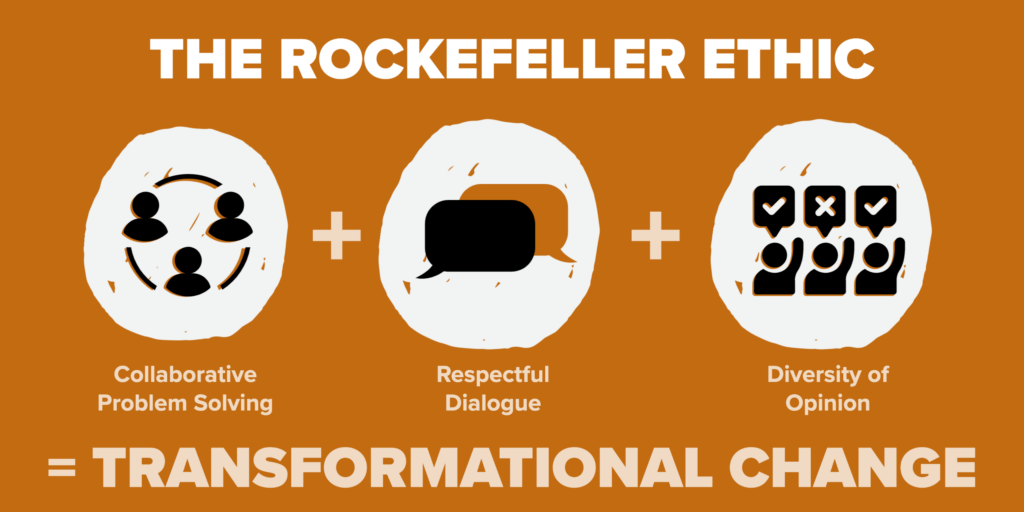
With so many people coming and going to work on significant issues together, we often get asked about how we choose our participants and decide who comes to the table. After all, “diversity of opinion” is a crucial part of our Rockefeller Ethic equation and is at the heart of our work.
More often than not, it starts with a program partner looking to overcome a challenge facing Arkansans in a particular sector or industry. With iR3, that challenge was high levels of recidivism caused by a multitude of factors. With AEPI, it was a question of what new approaches are available to improve Arkansas’s education ranking through a policy lens.
From there, our team works with those partners to bring together an initial focus group of sorts — subject matter experts from differing backgrounds and perspectives who all have some stake in or interaction with the challenge. This first meeting is a test to explore the issue at hand and see if the same challenges, frustrations, and opportunities seen by our program partner are shared by others. If they are, we know we are on to something and might have the opportunity to work on the issue in earnest. If they don’t, we all have the difficult conversation of seeing if there’s a way to move forward or not.
Winthrop Rockefeller came up with unique opportunities and solutions, calling together those closest and most affected by something and tasking them with coming up with a better system. Our work is modeled after that. If it looks like we are on to something, our version of Winthrop’s process is first to hold focus groups and check our assumptions, then repeat the process a second time with a broader group. We lean on our initial group to help build that invitation list and then do research on any holes in representation that might exist. Then we ask our new batch of focus group attendees who they know that we should invite to the process.

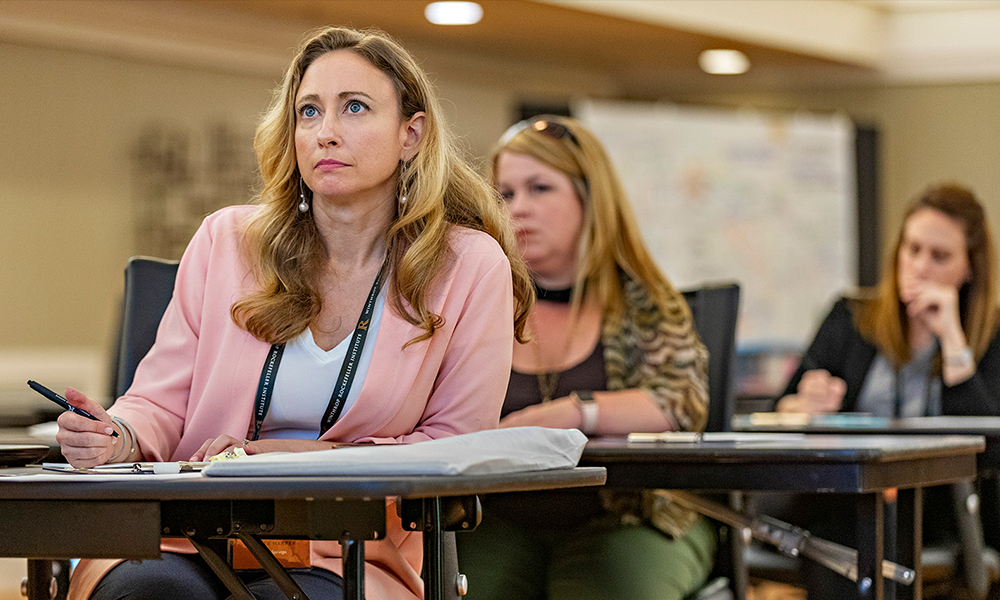
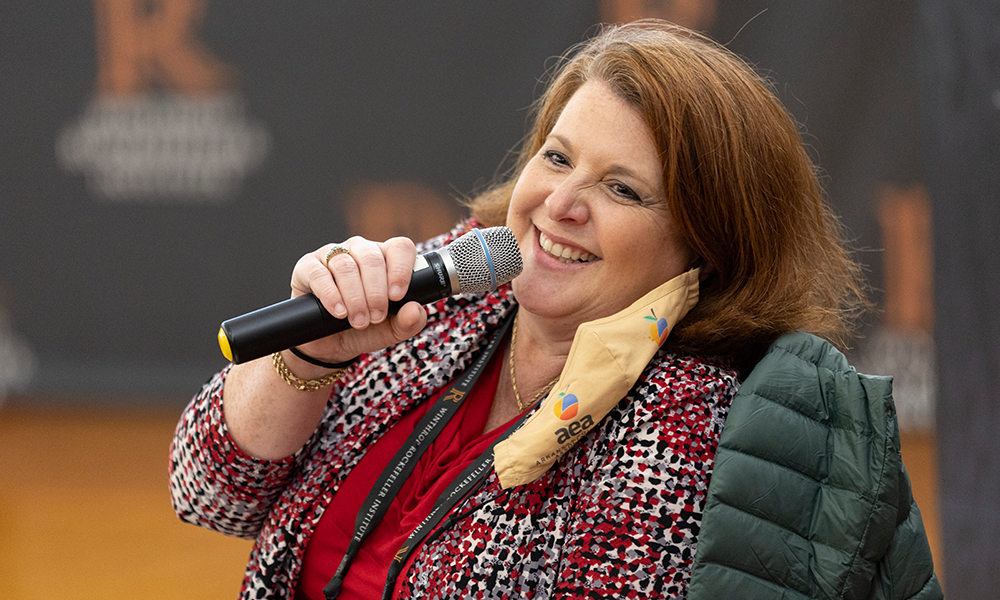

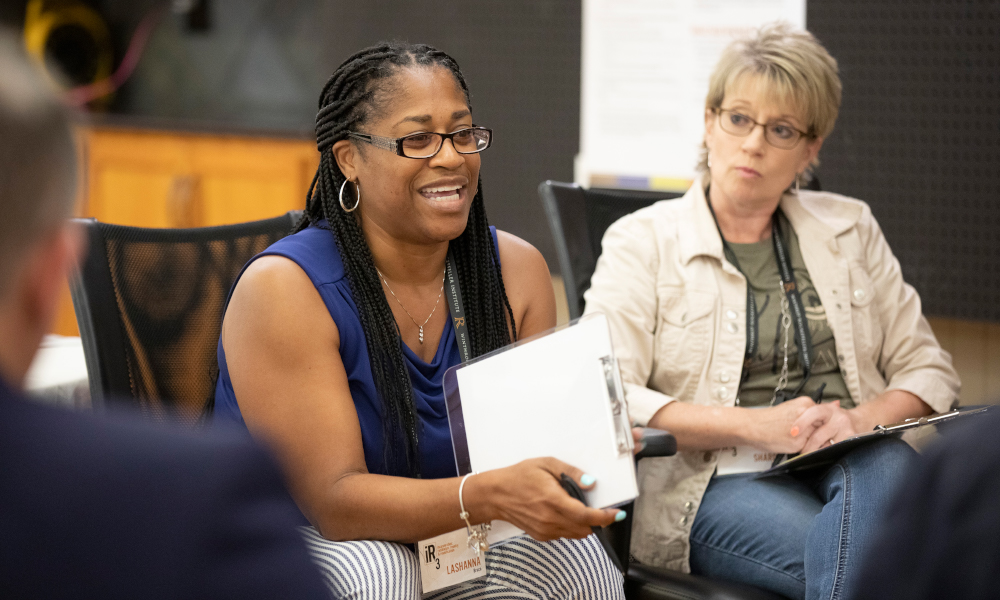
By the end of that time, we have a list of possible actions, shared challenges, and current efforts that have been built and vetted by 80 or more people with direct ties to the issue at hand. At that point, we feel comfortable bringing everyone together to a program where we start digging into the many suggestions and ideas we collected over the process and start building teams to develop collaborative solutions.
It’s a very involved and lengthy process, but it’s how we’re sure we’ve chosen issues that truly need the collaborative attention of multiple stakeholders. Having checks and balances in place and a solid process to work through can help ensure our participants have the most impact and reach the solution they’ve been looking for.
Responses