by Brittany Reese
Farmers, policymakers, scholars, and students gathered at the Winthrop Rockefeller Institute on Tuesday, March 17, to discuss an issue deeply personal to Arkansas and profoundly global in impact: agricultural trade.
The Winthrop Rockefeller Distinguished Lecture Series brought together federal leaders, academic experts, and the next generation of agricultural professionals to explore how trade policy shapes real‑world outcomes for farms, rural communities, and food systems.
A Place for Big Conversations
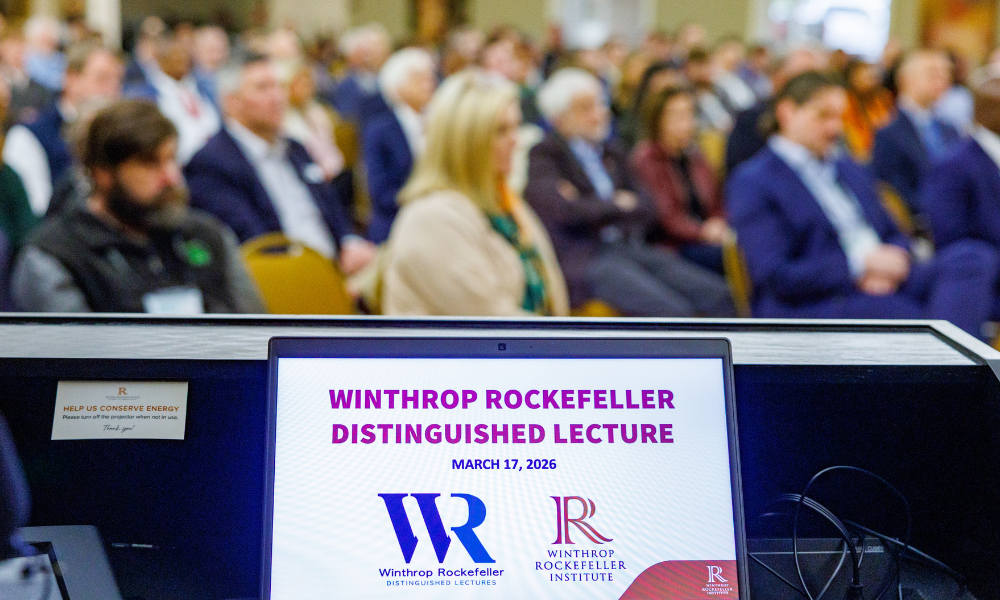
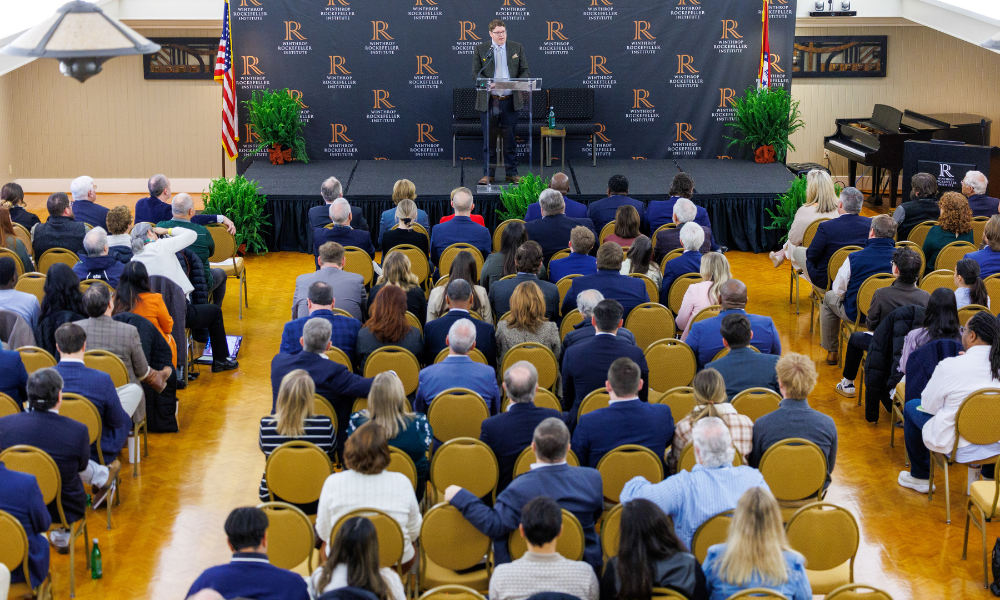
The event opened with remarks underscoring the importance of convening diverse voices to address shared challenges. Agriculture is Arkansas’s largest industry, yet it faces mounting pressure from high input costs, low commodity prices, and market uncertainty. Against that backdrop, trade is not abstract — it is essential to farm viability and rural prosperity.
Trade Policy Meets Farm Reality
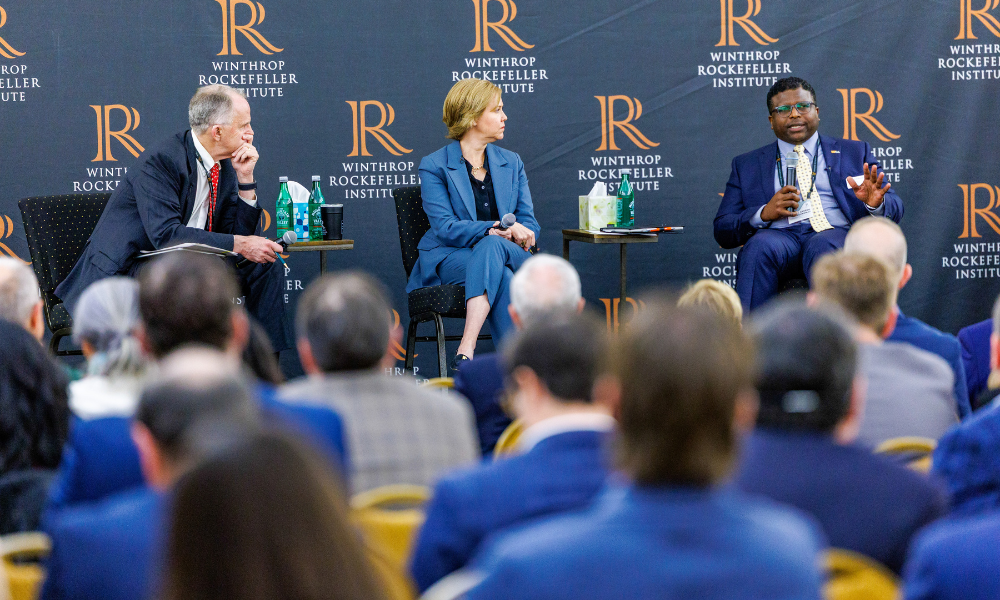
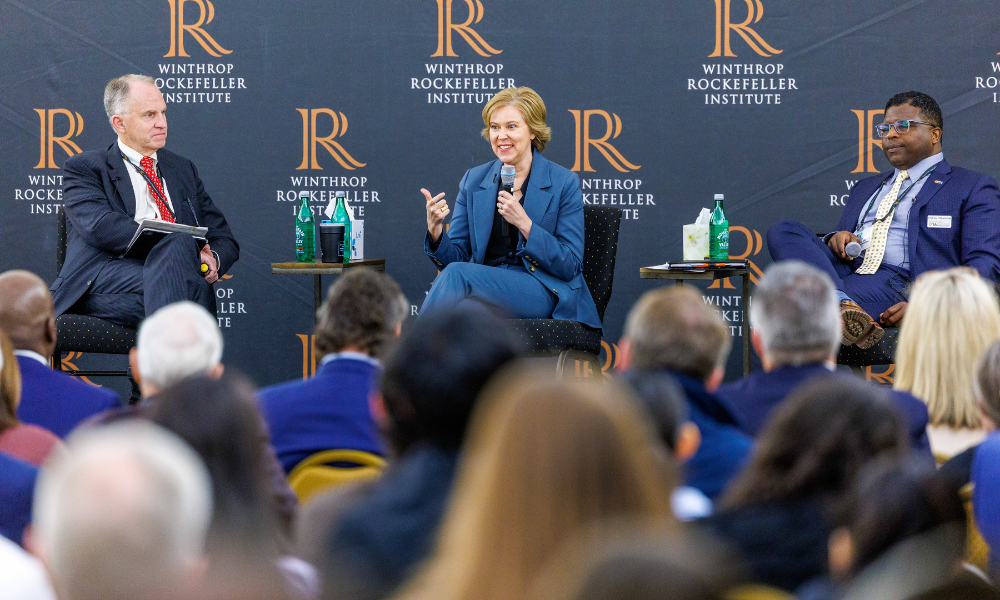
Deputy U.S. Secretary of Agriculture Stephen Alexander Vaden directly tied trade policy to conditions on the ground. “You cannot beat something with nothing,” Vaden said, arguing that years of limited engagement in agricultural trade policy have contributed to declining market access and pressure on commodity prices.
He pointed to rice and cotton (two of Arkansas’s most important crops) as particularly vulnerable due to their reliance on global markets and exposure to unfair competition.
Panelists echoed that trade decisions made far from the farm ripple quickly through rural America. Former Deputy U.S. Trade Representative Ambassador Darci Vetter emphasized that uncertainty alone can tighten markets, often before any tariff is imposed, by raising transaction costs and delaying investment.
Agricultural economist Dr. Andrew Muhammad reinforced that global trade flows shape local outcomes, particularly for export‑dependent sectors like cotton, where most U.S. production is sold overseas.
Investing in Students and the Future
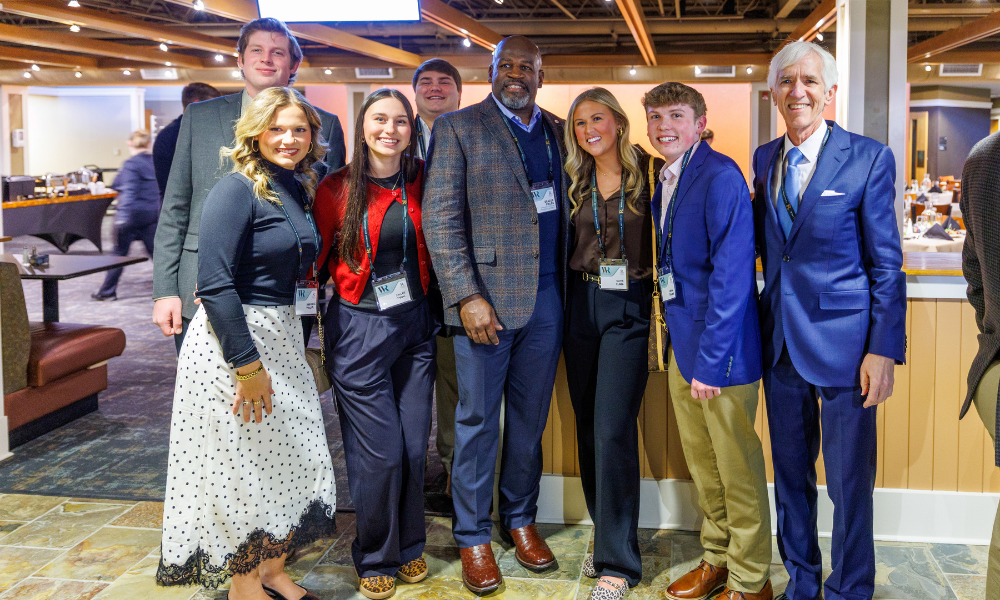
For students, hearing from policymakers and economists brought textbook concepts to life. “Trade prices are a big deal, and how trade affects prices is a big deal,” said Lindsay Lancaster, a senior agribusiness student at Arkansas State University.
Fellow student and farmer Wade Jones described the experience as part of his education. “I’m in what I call a period of absorption. Everything I can get, I just absorb,” he said.
Faculty leaders emphasized that exposure matters. “They’re going to be the innovators that solve some of these sticky problems we’re dealing with today,” said University of Arkansas Division of Agriculture leader Ron Rainey, pointing to students as the future of agricultural problem solving.
A Conversation That Continues
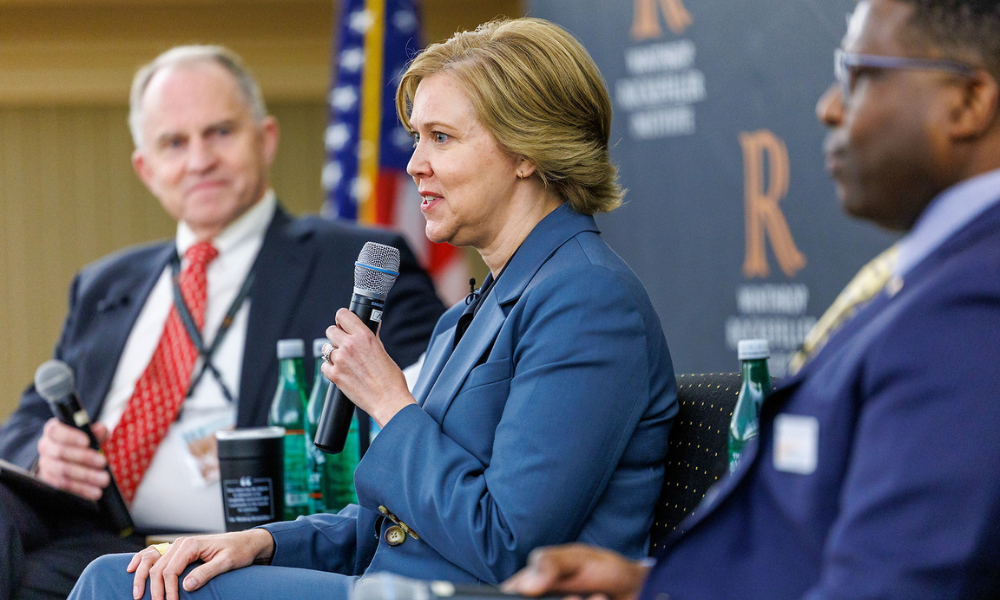

The lecture series made clear that agriculture does not exist in isolation. Global markets, policy decisions, and human relationships shape it. Engaging in these conversations is essential to ensuring Arkansas agriculture remains resilient and competitive for generations to come.

Responses