We’re back for another civic season with a fresh round of recommended reads — and this year, every title was handpicked by Arkansas librarians. As in years past, the books are nonpartisan, chosen to deepen our understanding of American democracy and the many ways we can engage as citizens. Each comes with a quick summary, and links to buy it on Amazon or check it out from the Central Arkansas Library System.
Not sure which libraries operate in your area? Click here to view the Library Directory for Arkansas.
Why librarians? Because few people know their communities (or their readers) the way Arkansas librarians do. Libraries are among our most trusted civic spaces — places to find good information, encounter new perspectives, and keep learning throughout our lives. Turning to the librarians who serve our own towns and neighborhoods felt like the most natural way to build a reading list meant for all of us.
Now in its third year, the Civic Arkansas Democracy Reading Challenge takes its inspiration from Gov. Winthrop Rockefeller’s words: “Every citizen has the duty to be informed, to be thoughtfully concerned, and to participate in the search for solutions.” We hope these books spark reflection, conversation, and action.
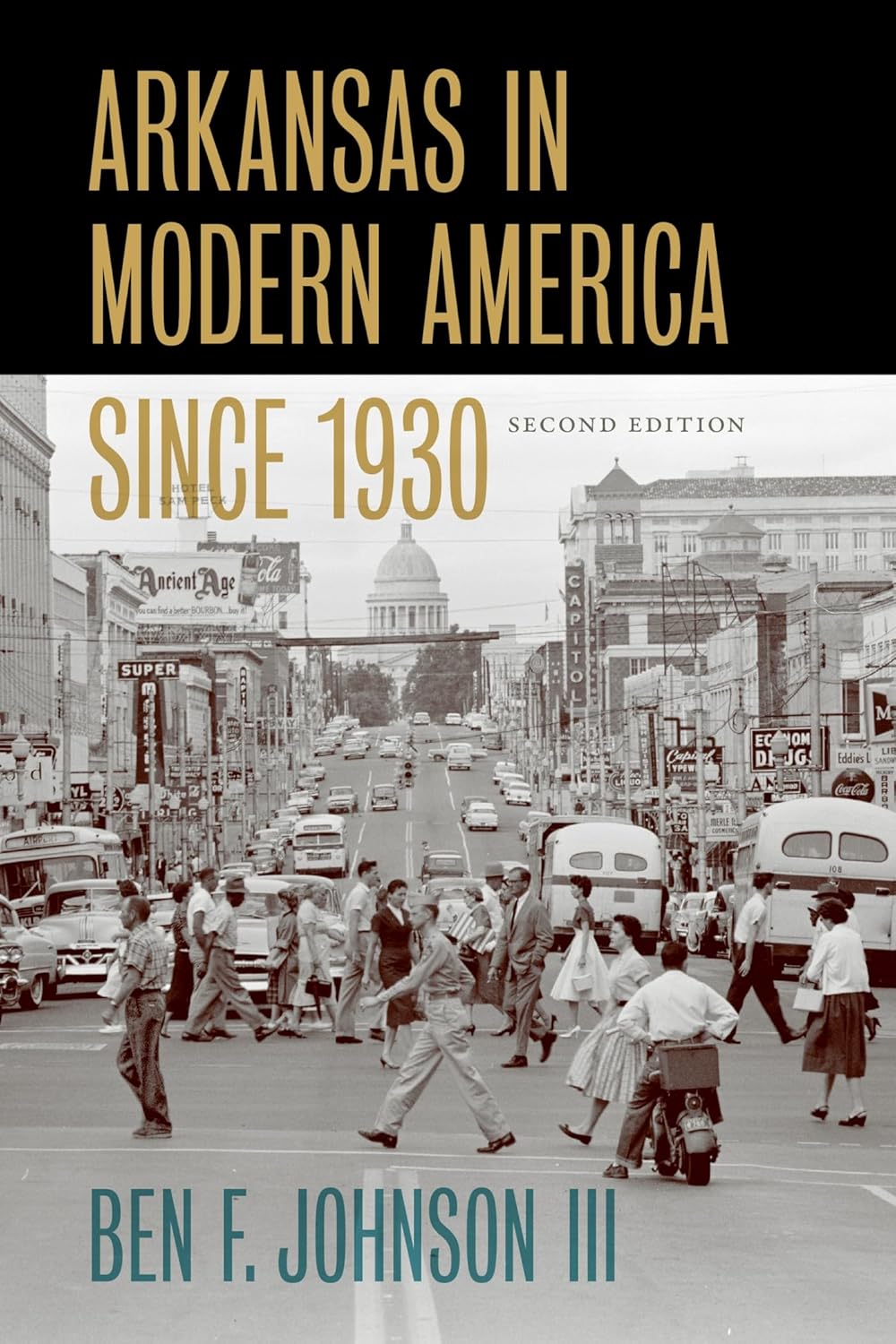
Arkansas in Modern America Since 1930 represents a significant rewriting of and elaboration on the earlier Arkansas in Modern America, published in 2000. This book offers an overview of the factors that moved Arkansas from a primarily rural society to one more in step with the modern economy and perspectives of the nation as a whole. The narrative covers the roles of Bill Clinton, Daisy Bates, Sam Walton, Don Tyson, and other influential figures in the state’s history, placing them in the context of women’s movements, music and literature, religious influences, environmental trends, and other important cultural phenomena.
This title was suggested by Shelley Blanton, archivist at the UA Fort Smith Plebley Center.
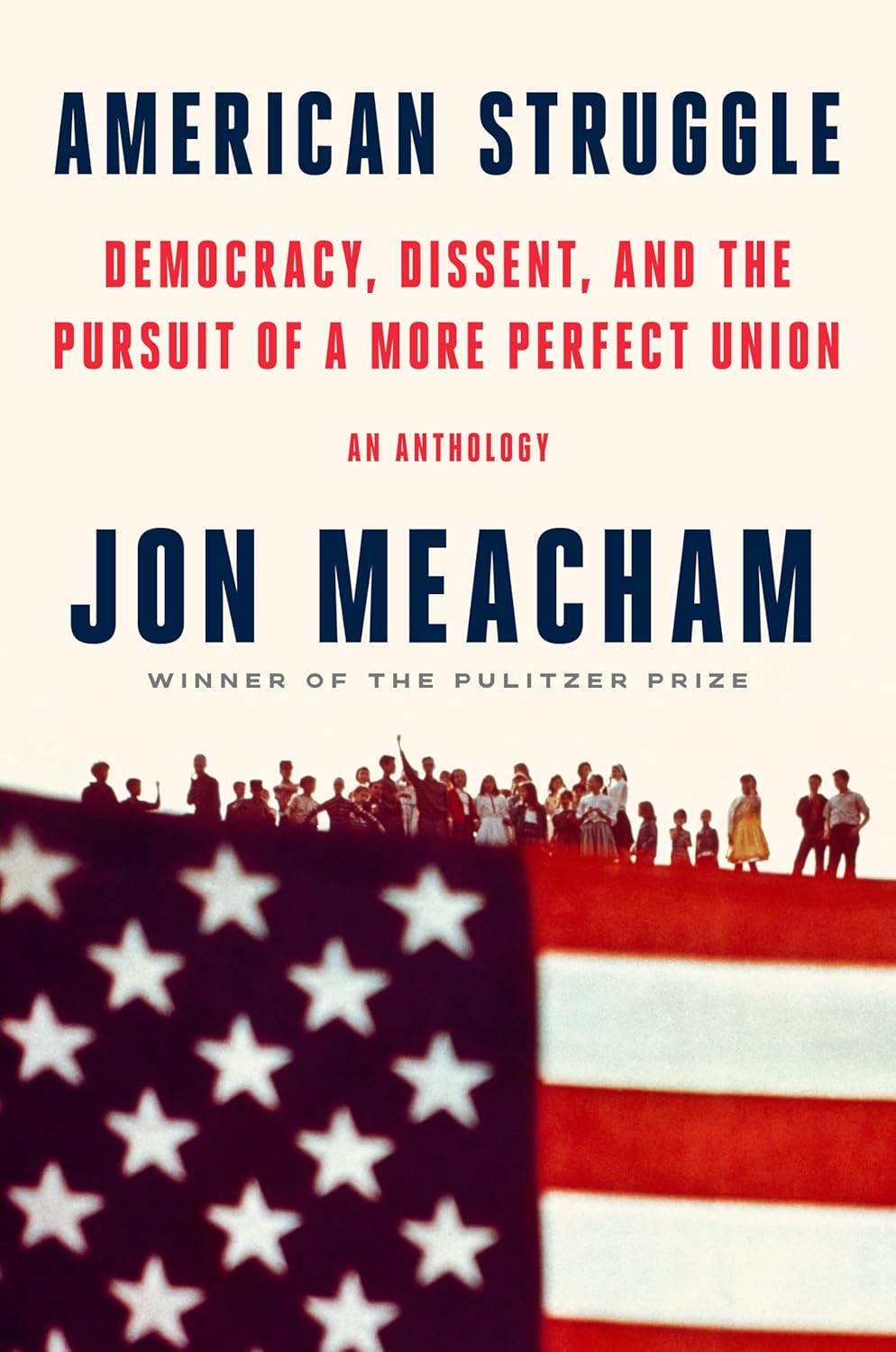
In American Struggle, Jon Meacham illuminates the nation’s complicated past. This rich and diverse collection covers a wide spectrum of history, from 1619 to the twenty-first century, with primary-source documents that take us back to critical moments in which Americans fought over the meaning and the direction of the national experiment. From the founders to Lincoln to Obama, from Andrew Jackson to Theodore Roosevelt to Ronald Reagan, from Seneca Falls to the March on Washington, this chorus (sometimes discordant and always fascinating) tells the story of the country and of its people.
This title was suggested by Caroline Kelleher with the Arlene Cherry Memorial Library in Cabot.
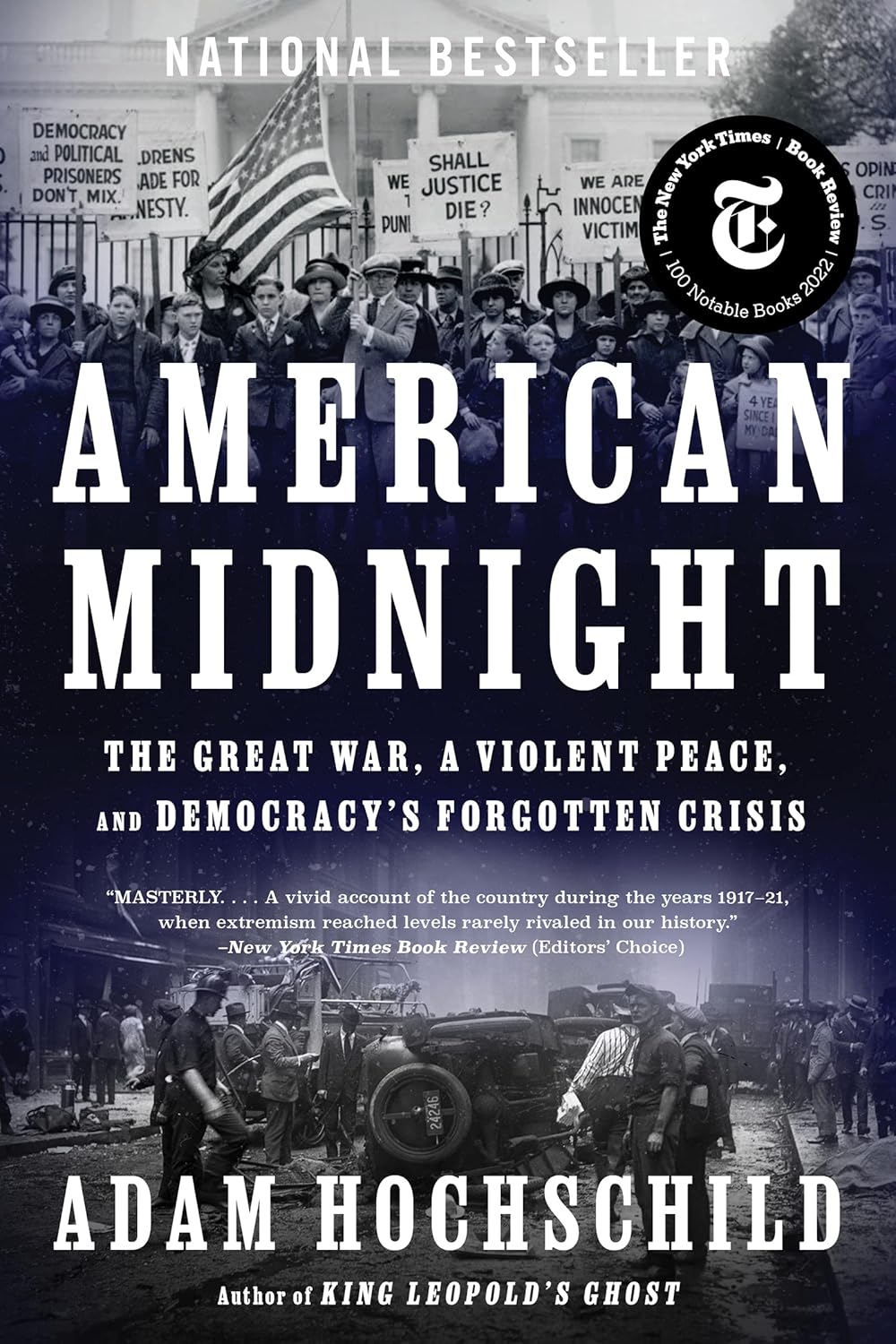
In American Midnight, award-winning historian Adam Hochschild brings alive the horrifying yet inspiring four years following the U.S. entry into the First World War, spotlighting forgotten repression while celebrating an unforgettable set of Americans who strove to fix their fractured country — and showing how their struggles still guide us today. This gripping work of political history reveals the forgotten forces that shaped modern America.
This title was suggested by Brittany Rodgers, systems librarian at Northwest Arkansas Community College.
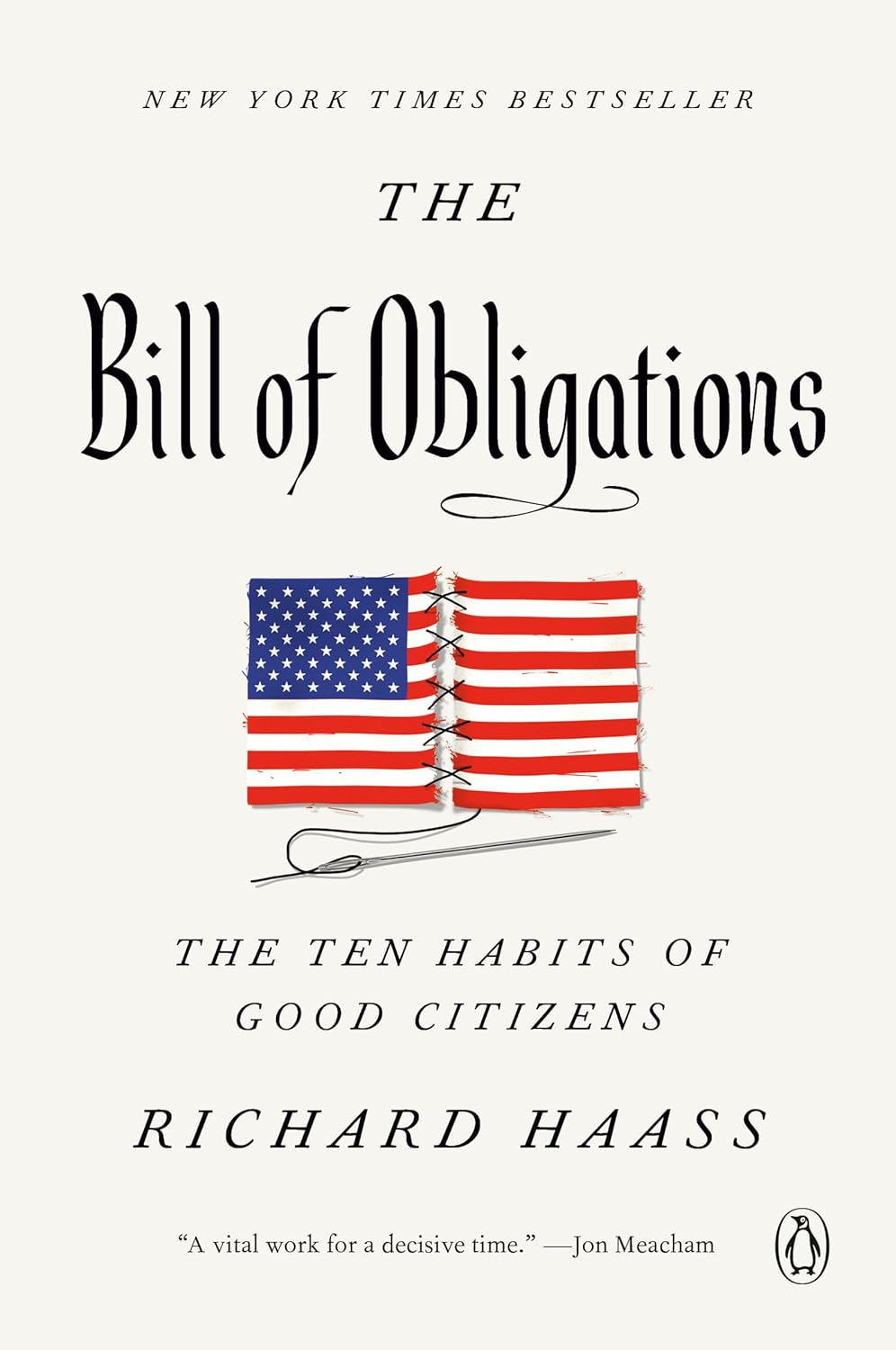
In The Bill of Obligations, bestselling author Richard Haass argues that, to solve our climate of division and safeguard our democracy, the very idea of citizenship must be revised and expanded. The Bill of Rights is at the center of our Constitution, yet the most intractable conflicts often emerge from cases that, as former Supreme Court Justice Stephen Breyer pointed out, “are not about right versus wrong. They are about right versus right.”
There is a way forward: to place obligations on the same footing as rights. The ten obligations that Haass introduces here re-envision what it means to be an American citizen, to commit to our fellow citizens and counter the growing apathy, anger, and violence that threaten us all.
This title was suggested by Karen Golden with the Woodruff County Library in Augusta.
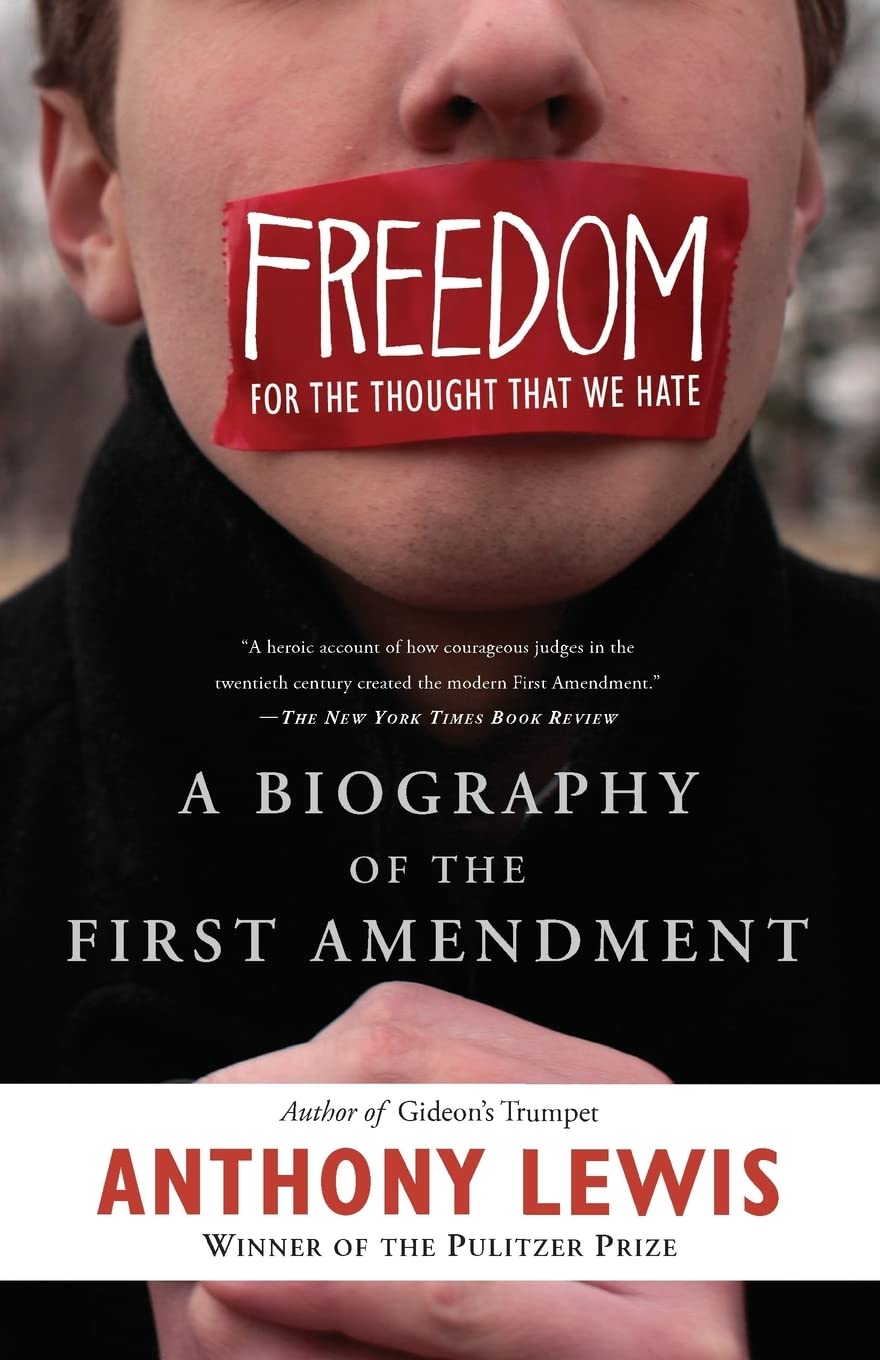
In Freedom for the Thought That We Hate, two-time Pulitzer Prize-winner Anthony Lewis describes how our free-speech rights were created in five distinct areas: political speech, artistic expression, libel, commercial speech, and unusual forms of expression such as T-shirts and campaign spending. It is a story of hard choices, heroic judges, and the fascinating and eccentric defendants who forced the legal system to come face to face with one of America’s great founding ideas.
This title was suggested by Adam Webb, executive director of the Garland County Library in Hot Springs.
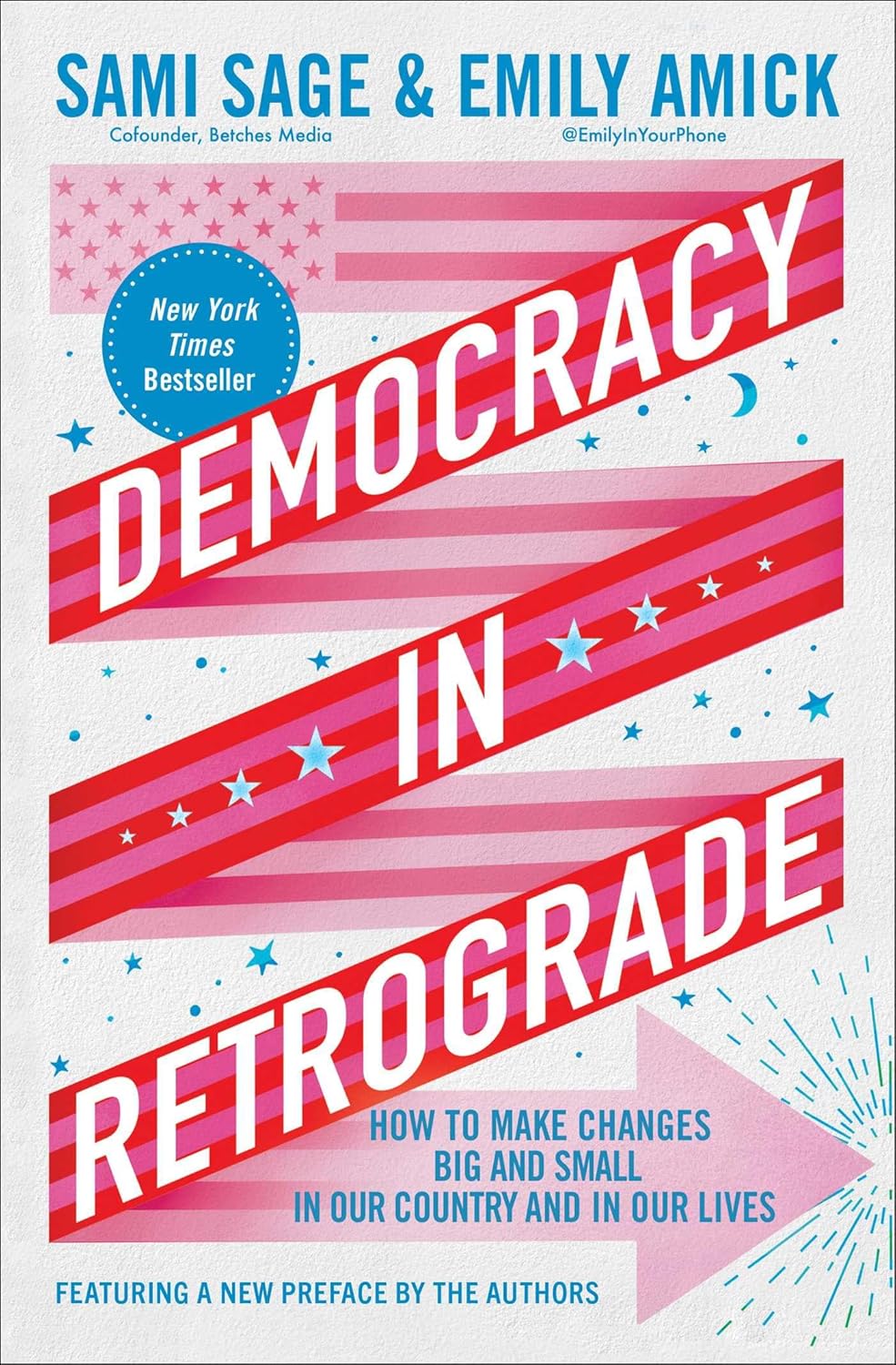
In America’s current political climate, it’s hard not to get discouraged. Isolated, doom scrolling, lacking a sense of purpose or community…it’s easy to become overwhelmed by the dire state of two-party system and do nothing, because why try when the odds are never in our favor?
Democracy in Retrograde will help you learn about much more than just political action. This book will provide a new lens through which to see yourself: a new and powerful light which bridges the personal and the political. In the words of Joan Baez, action is the antidote to despair, and with this helpful guide, even if Mercury is in retrograde, our democracy doesn’t have to be.
This title was suggested by Addi Freeman with the Faulkner County Library in Conway.
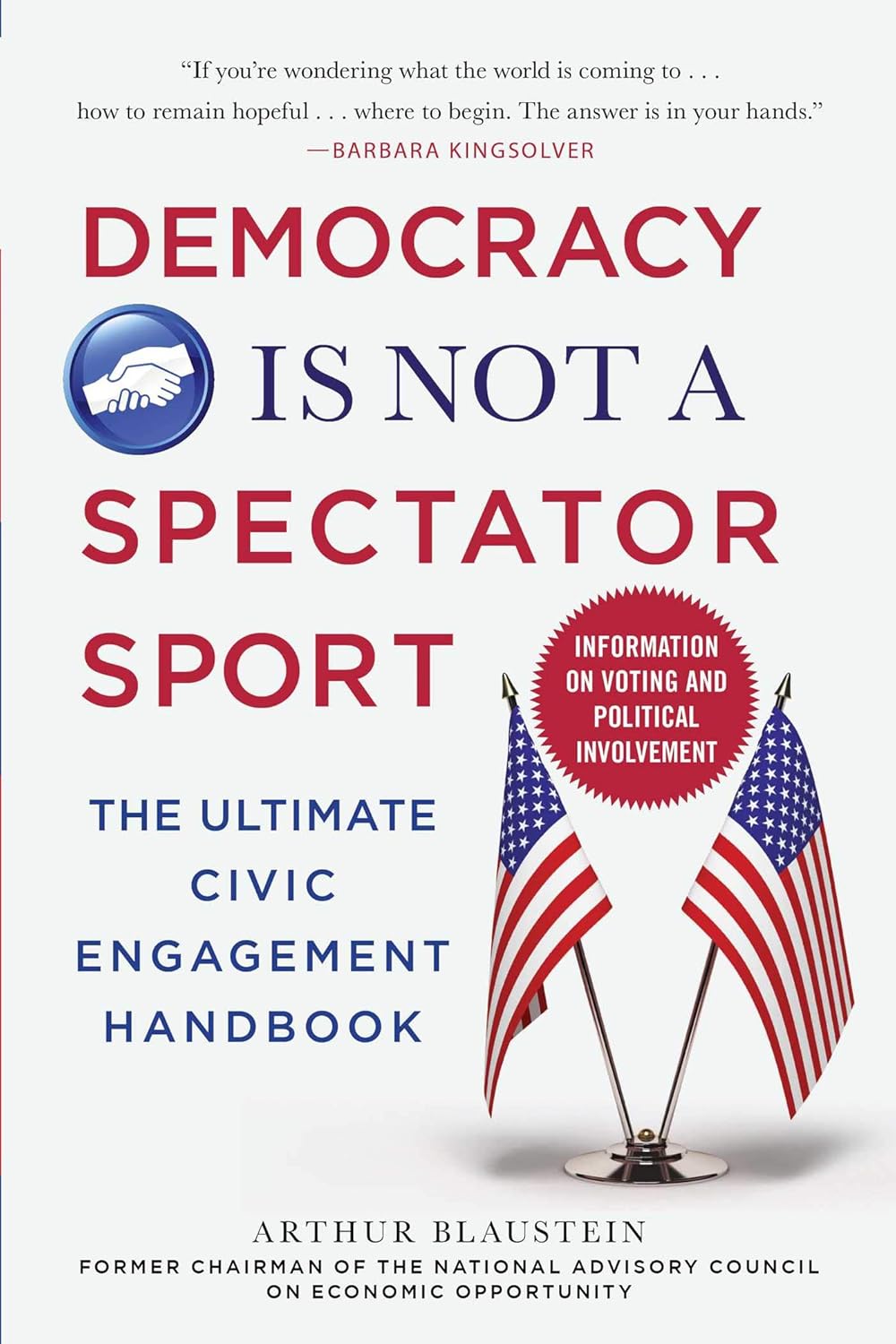
Volunteers are needed in record numbers. Millions of Americans — middle class, working class, professionals, and business executives — have experienced the loss of a job, a home, or a business, a small farm failure, a personal bankruptcy, or a loss of pension or retirement income. And millions more are only a layoff, illness, divorce, or accident away from falling into poverty. Blaustein focuses on two critical questions: “How did we get into this mess?” and “What can be done to turn things around?”
Democracy Is Not a Spectator Sport is a comprehensive collection of more than two hundred community service opportunities and experiences. More than a simple resource guide, this unique handbook includes interviews, anecdotes, and commentary from the top people in nonprofit and service fields.
This title was suggested by Maggie Abegglen with the Lonoke County Library System.
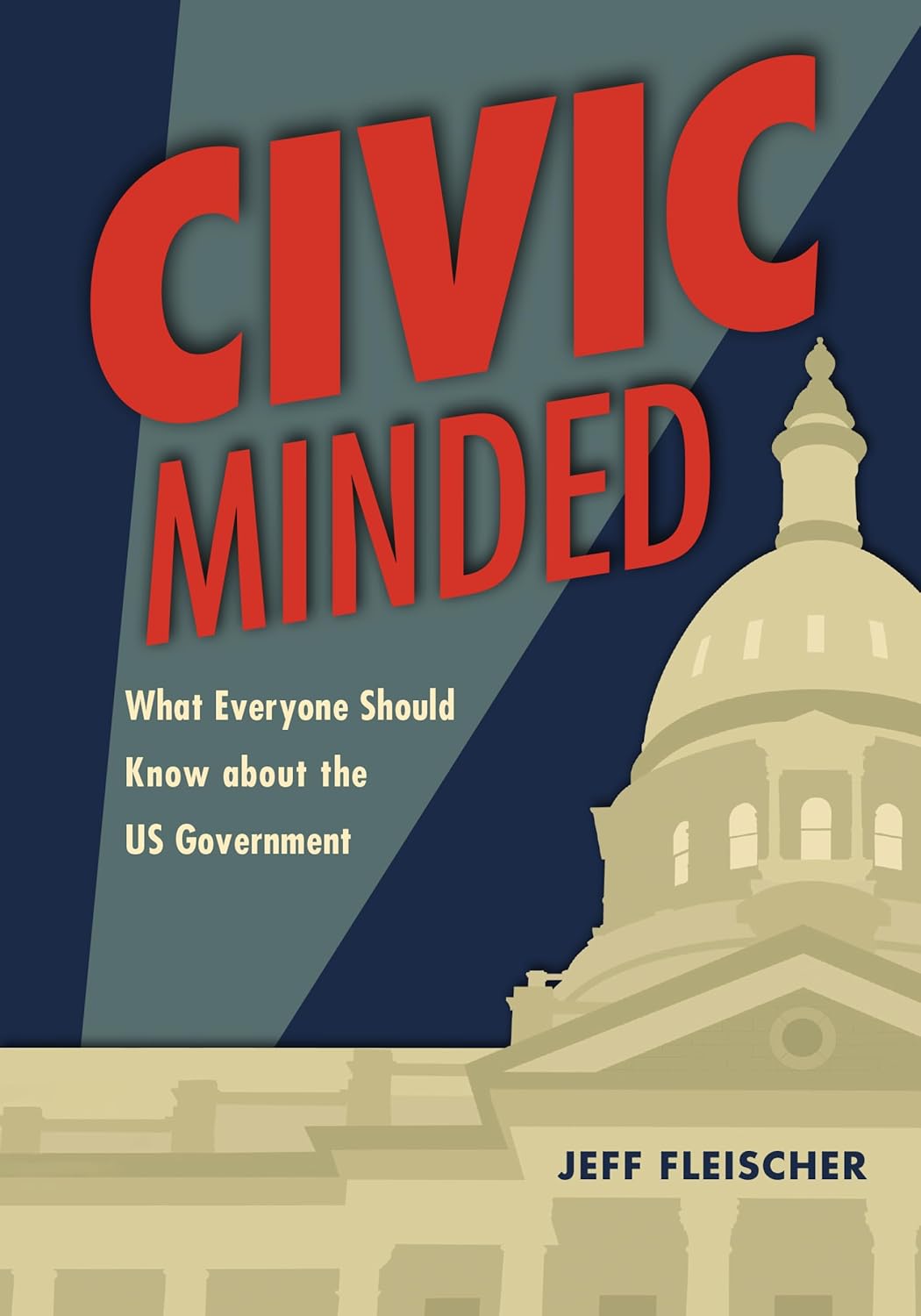
How do student loans work? What do sanctions do? Where does federal spending go, and who decides on the budget?
Author and established journalist Jeff Fleischer digs into these and other relevant civics topics to explain the history behind different processes and programs, what they look like today, and why it’s important to understand them.
Through engaging, well-researched text and related sidebars, this book will help you understand and join many ongoing political conversations in the US, from spending to citizenship to international relations and more.
This title was suggested by Brianna Lamb, branch manager at the Franklin County Library in Ozark.
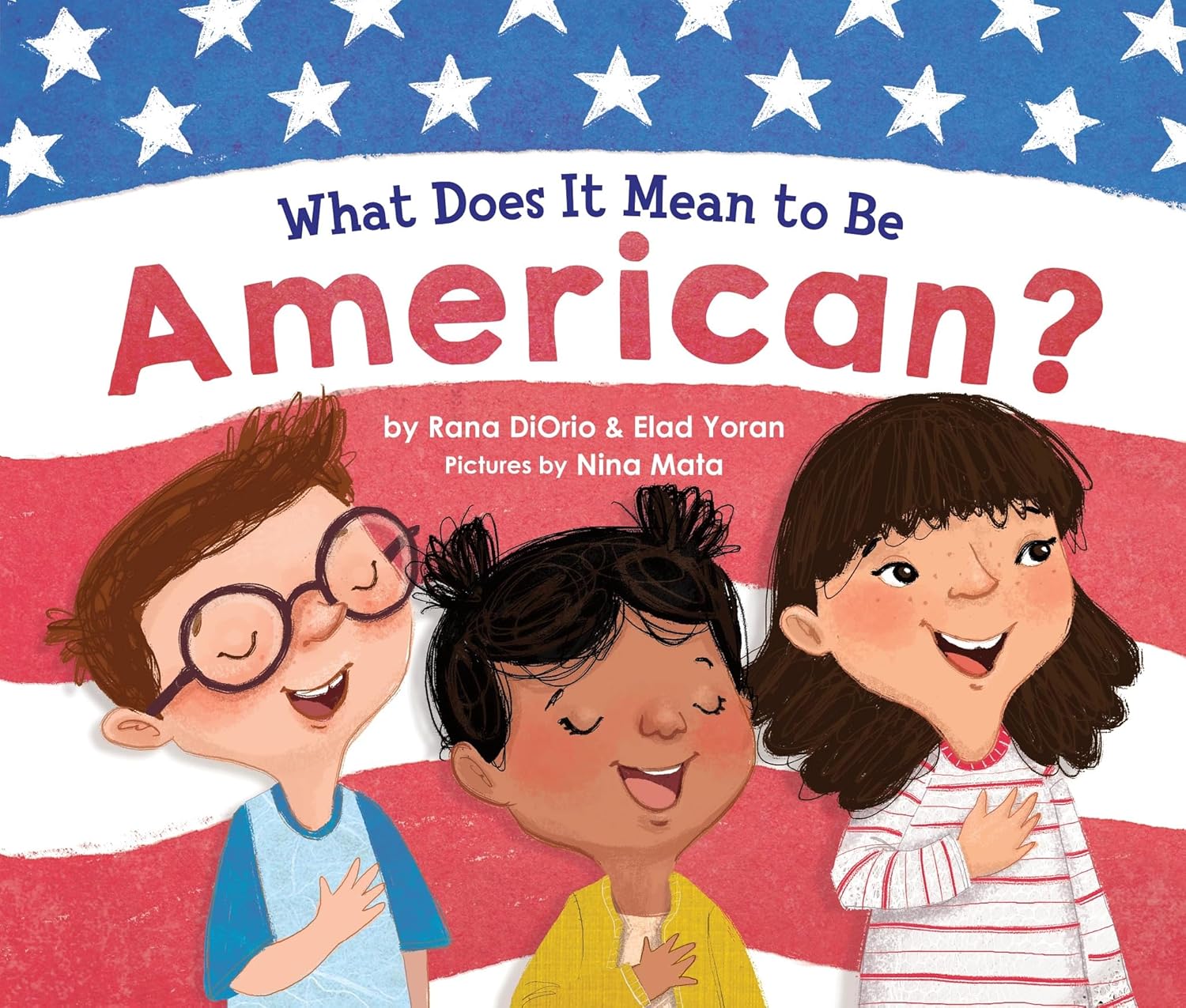
This award-winning picture book delivers a hopeful, inclusive message that helps children understand our country not by apple pie and fireworks, but by its shared values: kindness, courage, freedom, and diversity.
Written by Rana DiOrio and decorated veteran Elad Yoran, and brought to life with illustrations by New York Times bestselling artist Nina Mata, What Does It Mean to Be American? gives children ages 4–8 the language to talk about civic identity with pride, empathy, and understanding.
This title was suggested by Hunter Bennett, regional director of the Southeast Arkansas Regional Library in Monticello.
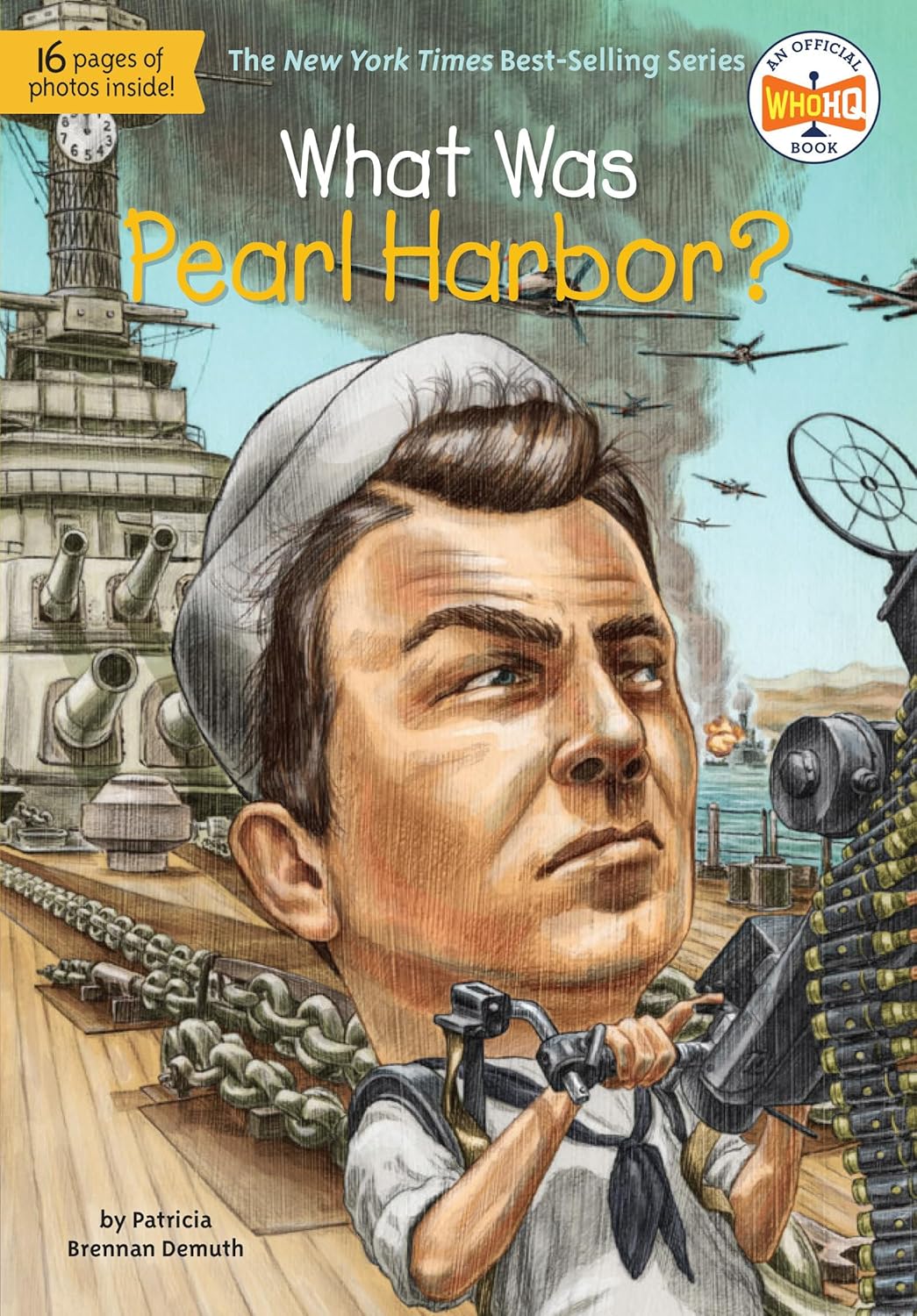
On December 7, 1941, Japanese war planes appeared out of nowhere to bomb the American base at Pearl Harbor in Hawaii. It was a highly secretive and devastating attack: four battleships sunk, more than two thousand servicemen died, and the United States was propelled into World War II. In a compelling, easy-to-read narrative, children will learn all about a pivotal moment in American history.
This title was suggested by Deborah Carlyle with the Des Arc Public Library in Des Arc.
Responses