by Brittany Reese
A Lifelong Foundation in Community Service
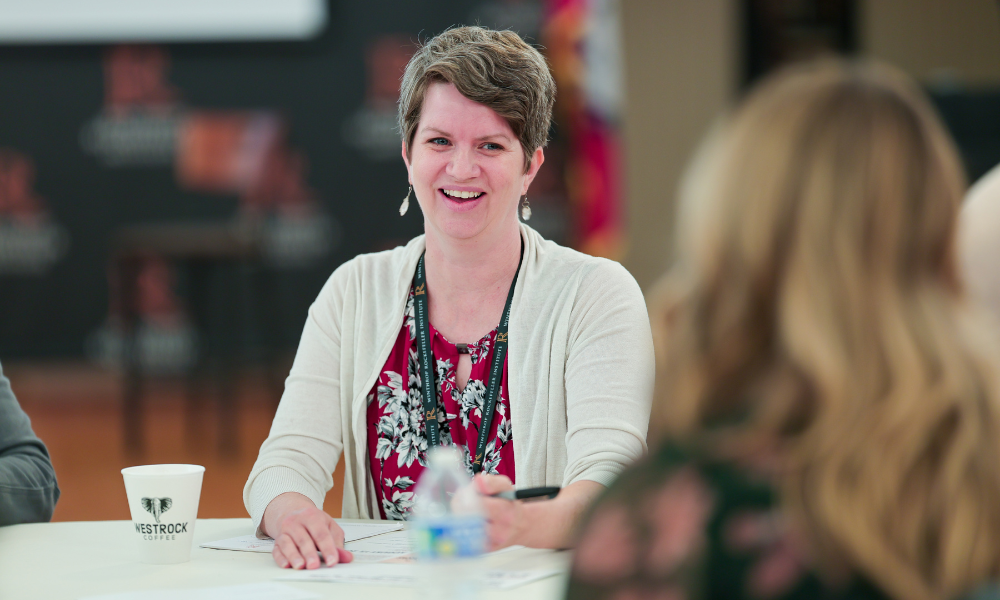
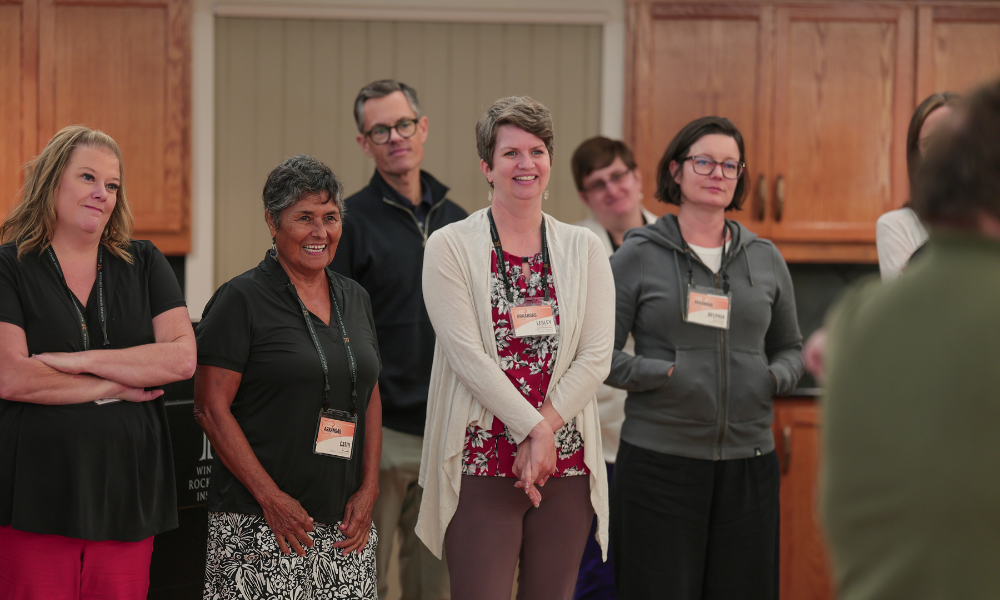
For Dr. Lesley Graybeal, civic engagement isn’t a career she stumbled into — it’s a thread woven into her life from childhood. Growing up in Georgia, she was surrounded by community involvement through her mother’s work with arts nonprofits. Those early experiences set the tone.
“Volunteering was a big part of my family growing up,” Graybeal said. “We were always volunteering for art summer camps and arts events.”
That foundation eventually guided her academic journey. She earned all her degrees from the University of Georgia, beginning with an English major and culminating in graduate work in Social Foundations of Education — an interdisciplinary program that examines sociology, history, and philosophy of the U.S. education system. What drew her in most was understanding how communities decide what matters to them and how they preserve and teach their own histories.
This curiosity led her to North Carolina, where she helped launch and manage service‑learning programs at a community college. That work directly connected classroom learning with meaningful community needs — the perfect blend of education and civic action.
After joining the University of Central Arkansas (UCA) in 2015, she leads the Division of Outreach and Community Engagement, which includes community education, the Center for Community and Economic Development, and multiple student-centered civic initiatives.
How Working with Students Shapes Her Approach
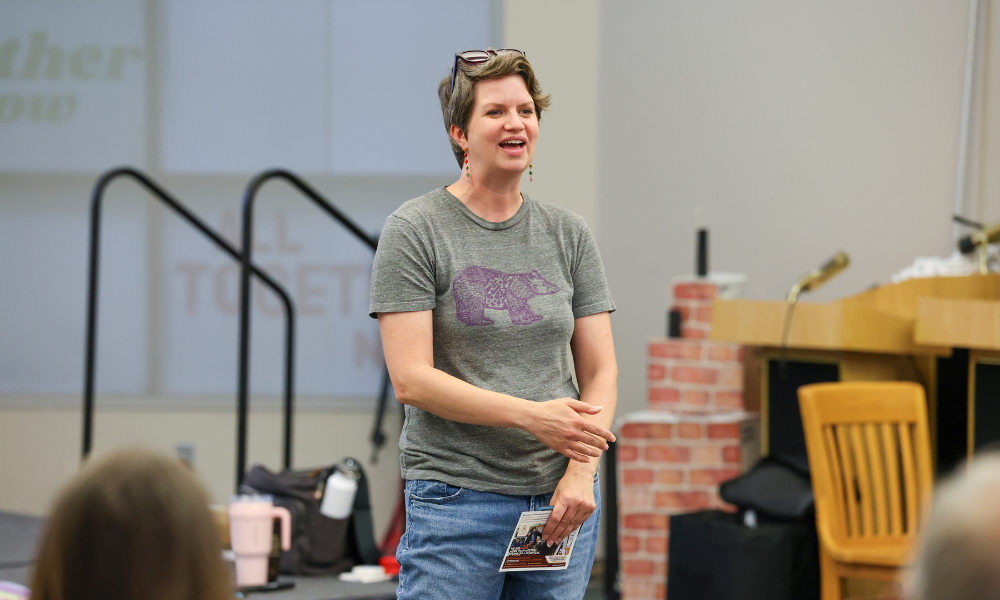

At UCA, one of Graybeal’s core responsibilities is fostering student civic engagement. She’s particularly invested in helping young voters find their footing in a complex political landscape.
“I do a lot of work with students on voter registration and voter education… making sure that students have a trusted, nonpartisan source of information about elections,” Graybeal said.
She sees firsthand the tension many students feel: they want to participate, but the political environment can feel alienating.
“Politics can be a dirty word…students might shy away from political engagement. Helping them see they can be effective agents of change — that’s really shaped my approach,” she explained.
Her work focuses on understanding what motivates first-time voters — but also what discourages them. From confusing processes to limited civic education, students often struggle to see voting as accessible. Graybeal wants them to understand not just how to participate, but how systems can be improved.
Why She Became a Civic Arkansas Activator

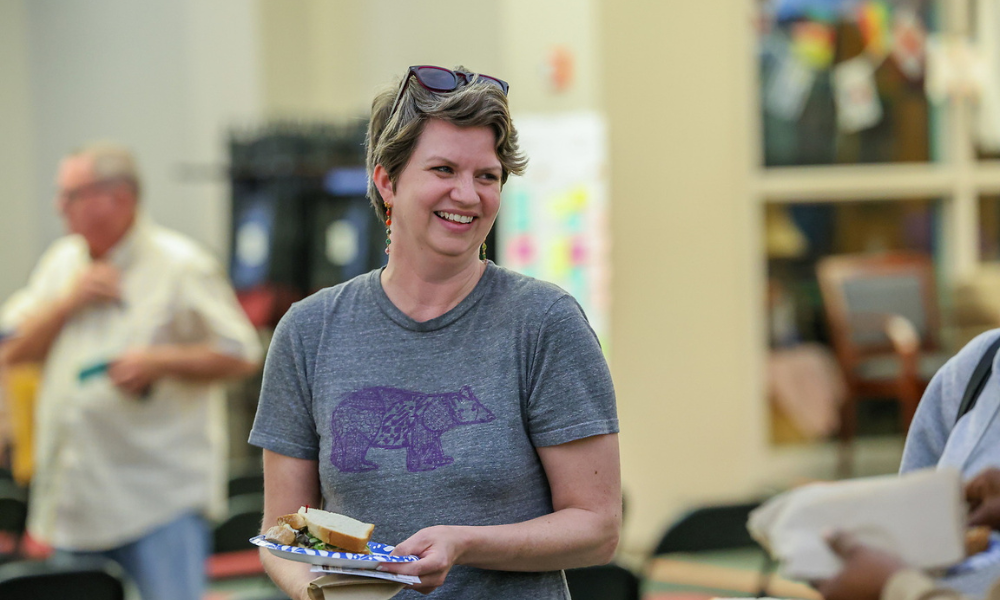
Graybeal was immediately drawn to Civic Arkansas for its emphasis on collaboration and nonpartisan mission.
“I just have a lot of respect for the work that the Winthrop Rockefeller Institute does… this sounds like a network of people that are trying to do positive things in communities.”
The value of becoming an activator also lies in the relationships and shared purpose, Graybeal explained.
“Everybody wants to live in a great community…there’s so much common ground among all the different activists, even though we have very different roles.”
The Civic Arkansas initiative reminds her of the importance of coalition-building — something she sees as the core of any large-scale civic effort.
“Anytime you want to move the needle…you have to figure out all the other groups who share that goal and find shared steps you can take together,” Graybeal said. That collaborative mindset also shapes the issues she prioritizes
Graybeal is motivated to address Arkansas’s historically low voter participation, noting that voting metrics have “nowhere to go but up.”
For her, increasing civic participation means not just encouraging turnout, but helping citizens recognize their power — especially through Arkansas’s unique direct democracy process.
“Only 15 states allow citizen‑initiated ballot measures…that’s a right we should really want to protect.”
Civic Arkansas activators come from all sectors — nonprofits, government, community organizations, and more. Graybeal represents a critical audience: first-time voters.
“Higher education is an area where we have the opportunity to reach first‑time voters in a way that can shape their behaviors for a lifetime.”
She believes universities play a deeply influential role in establishing long-term civic habits.
What Civic Arkansas Offers to Communities
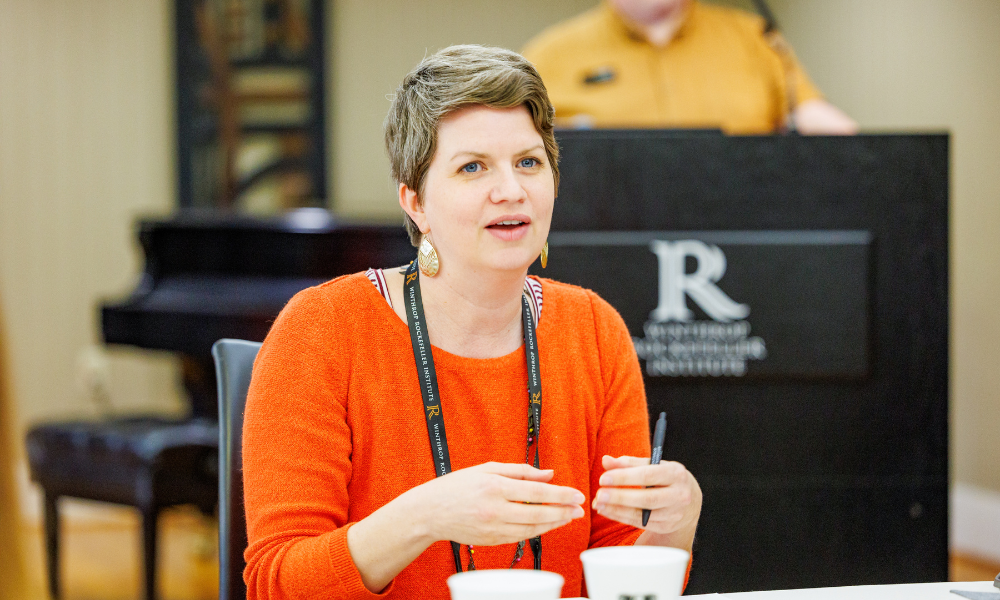

Graybeal describes the initiative as offering something Arkansas has long needed: coordination, shared language, and clarity around what civic engagement means.
“You can look at the civic commitments and find a place for your own values and interests… and be part of something bigger than yourself.”
Looking ahead, she believes Civic Arkansas has the potential to reshape the culture of civic engagement in the state — not just its structure.
“The biggest contribution…would be cultural, helping people see that civic engagement is a positive thing they can do in a lot of different ways,” Graybeal said.
The Engage Arkansas Conference
As part of her role, Graybeal also helps lead the Arkansas Engaged Learning Network, which is hosting its statewide Engage Arkansas Conference on April 17 at the University of Arkansas in Fayetteville.
The theme is Future Ready Engagement: Civic and Experiential Learning, Technology, and Resilience
“We have proposals from nonprofits, civic organizations, students, K–12, and higher education…really a broad coalition.”
She hopes attendees leave with two things: New connections and Concrete examples of innovative community-engaged work happening across the state. Registration will be free, but limited.
A Rejuvenating Experience
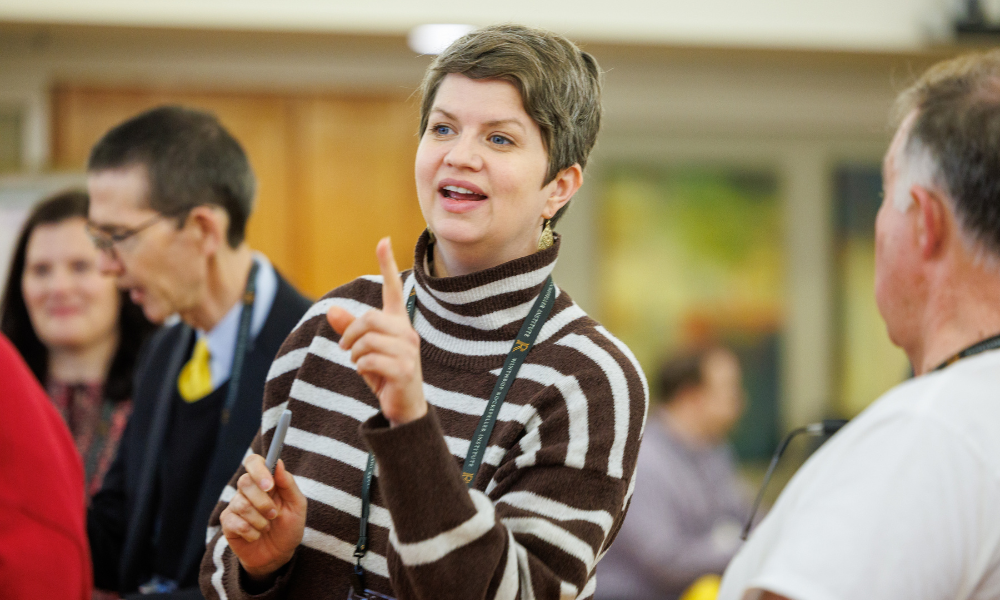

Civic Arkansas has brought renewed energy to Graybeal’s work.
“A lot of people can feel a lack of energy around civic engagement… but being an activator has really helped me see all the great people who are also working toward the same goals.”
Her optimism reflects a central belief: that progress is possible, and that communities across Arkansas are already paving the way.
Responses