When the Institute set out in 2023 to better understand the future of groundwater in Arkansas agriculture, we did not begin with a plan. We began with a question: how can Arkansas remain a leading agricultural producer and still have plenty of water for generations to come?
That question shaped the WATER program (short for Water, Agriculture, Technology, Education, and Research) and led us across the state to listen to those whose livelihoods depend on the answer. Today, we are pleased to share the final WATER Report, a summary of what we heard and what we recommend.
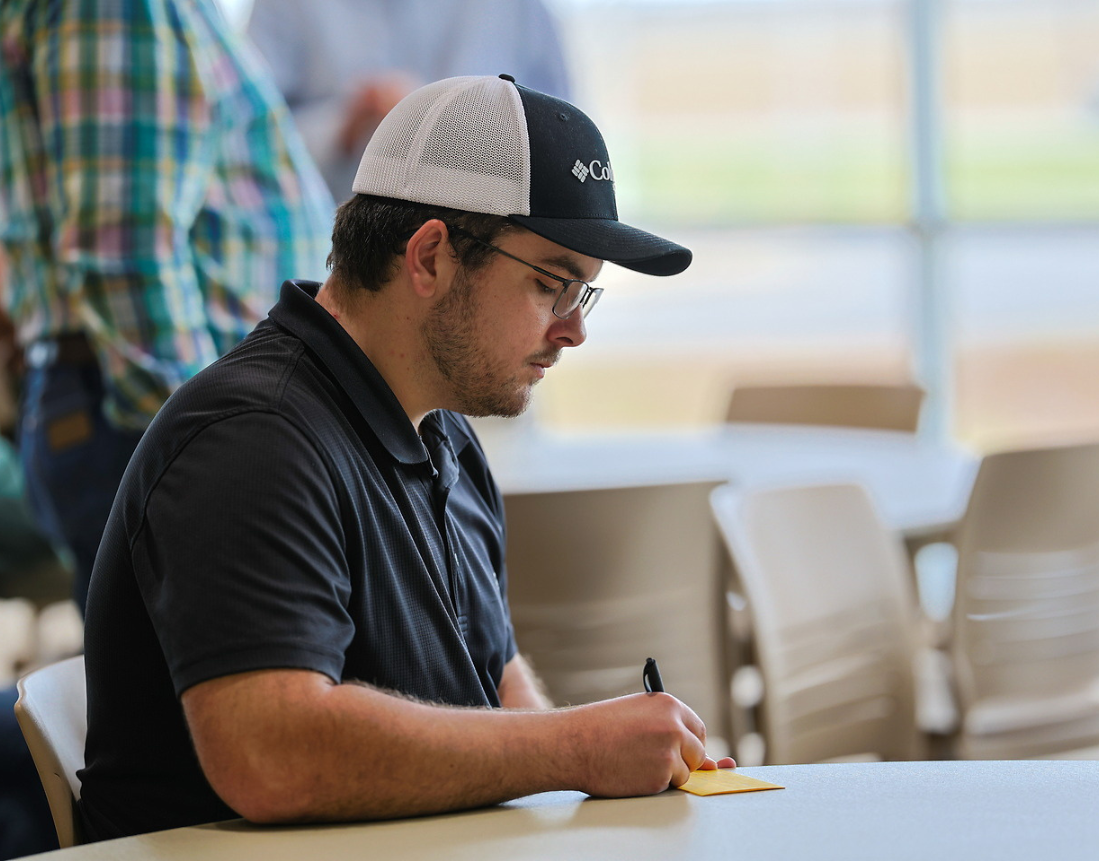
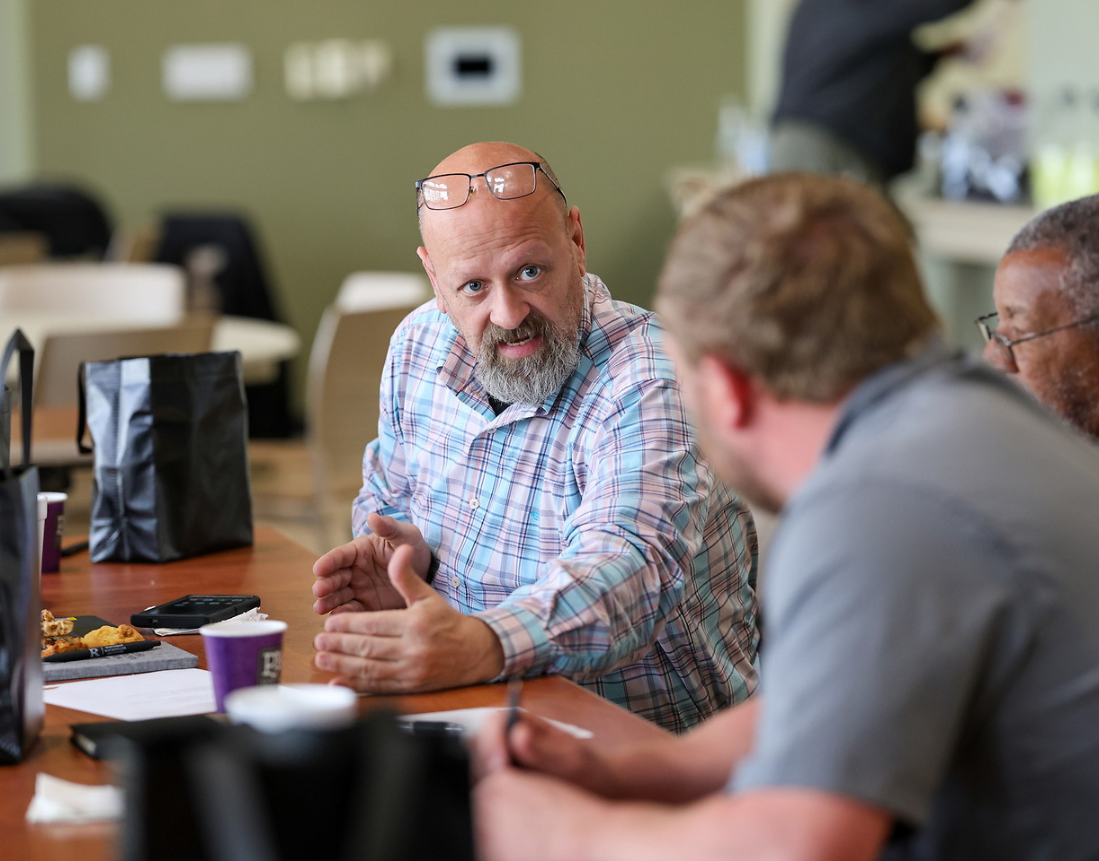
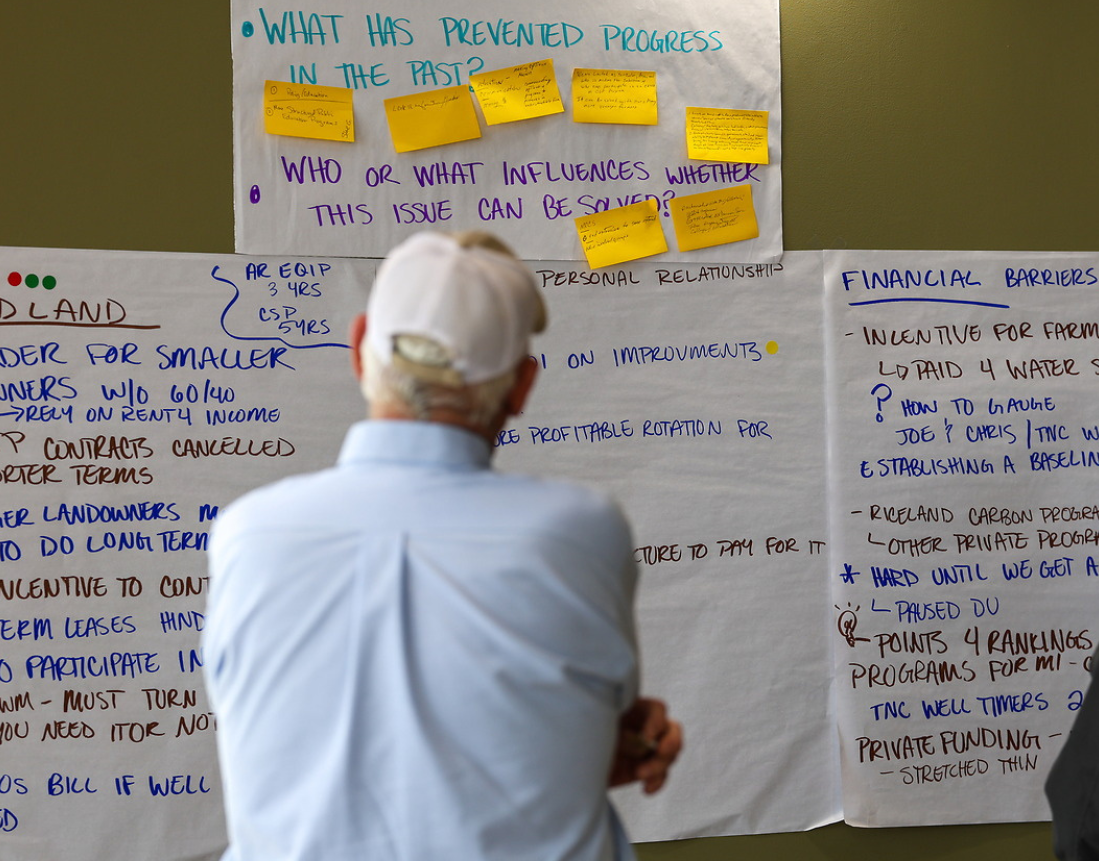
Between March and September 2024, our team conducted in-depth interviews with 29 farmers in 13 of Arkansas’s 20 Critical Groundwater Areas. We also hosted a Topic Dinner in December 2023, a Farmer Roundtable in March 2025, and a National Master Irrigator Summit in September 2025 that brought together producers and program leaders from 12 states.
A few themes surfaced again and again:
- Inclusion still has room to grow. Small farmers and farmers of color often feel left out of the formal networks where information and resources flow.
- Farmers are deeply aware of groundwater challenges and feel a real responsibility to the next generation, even in areas where decline is not yet visible.
- Structural barriers matter. Short-term leases, absentee landowners, and complex application processes make long-term conservation harder than it needs to be.
- Trust travels through relationships. Farmers consistently told us they learn best from one another — peer experience carries more weight than any brochure or formal presentation.
“I would like to see all big and small farms, and all races of farmers. Other farmers have everything they need to do the job. We need access to resources via equipment and knowledge, as well as a willingness to share those with others. If I’m getting money from different programs, I’m going to tell other farmers about it.”
The report offers six recommendations grounded in those conversations:
- Establish credible, shared benchmarks for agricultural water use
- Prioritize measurement approaches that minimize burden and build trust
- Focus education and incentives on management, not just technology
- Create pathways to incentivize and monetize water stewardship
- Invest in farmer-to-farmer learning through models like a statewide Master Irrigator Program
- Develop tools to engage landowners on rented land
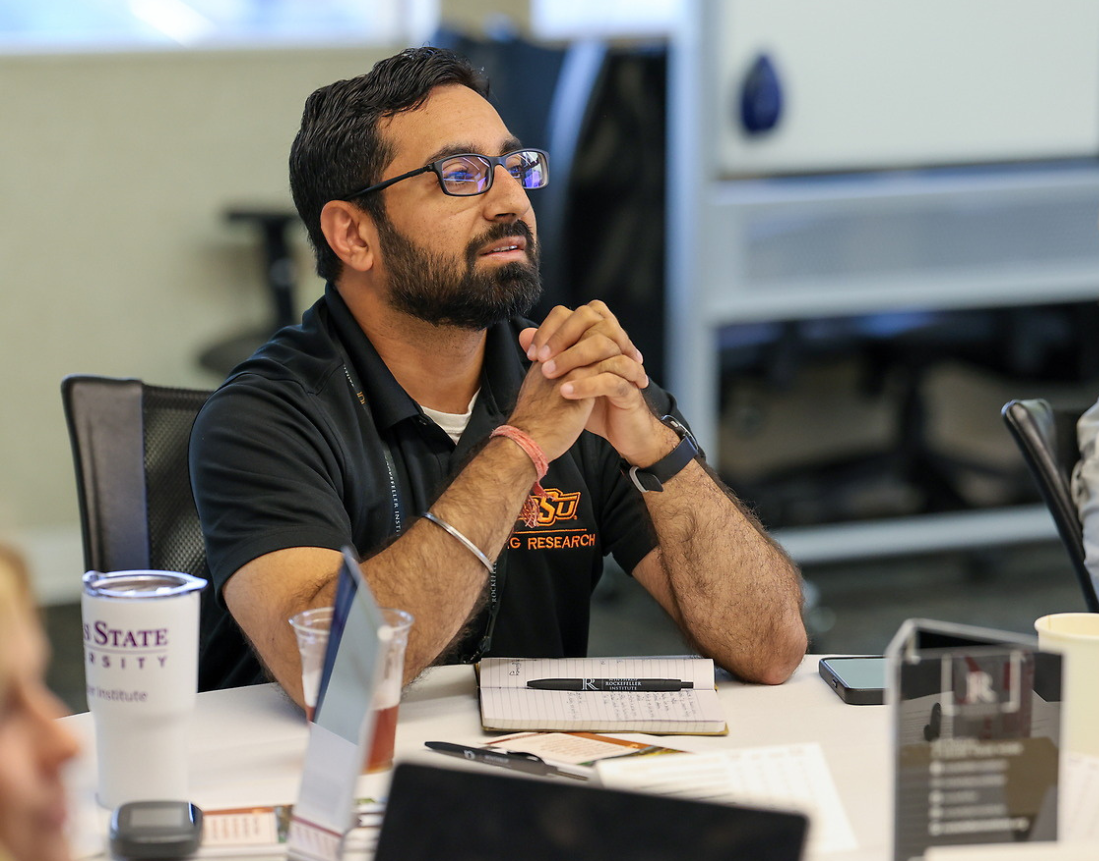
These recommendations point to a way of working, grounded in trust, shaped by lived experience, and built on the belief that lasting change comes from listening first.
Arkansas already has the foundation: strong institutional knowledge, dedicated researchers, and engaged producers. Building on it through clearer benchmarks, flexible incentives, and collaborative learning is how we move toward long-term groundwater sustainability.
Responses