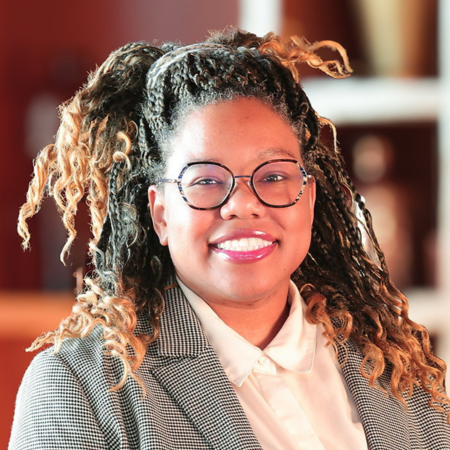
by Brittany Reese
The Arkansas Collegiate Civic Leadership Academy (ACCLA) is lighting the path toward a future where collaboration and leadership transform civic engagement across the state.
An initiative under the Institute’s Civic Arkansas program, ACCLA combines academic learning, civil discourse, practical training, and service-learning to prepare students to address societal challenges, promote civic responsibility, and contribute to the public good.
A Career Rooted in Civic Engagement
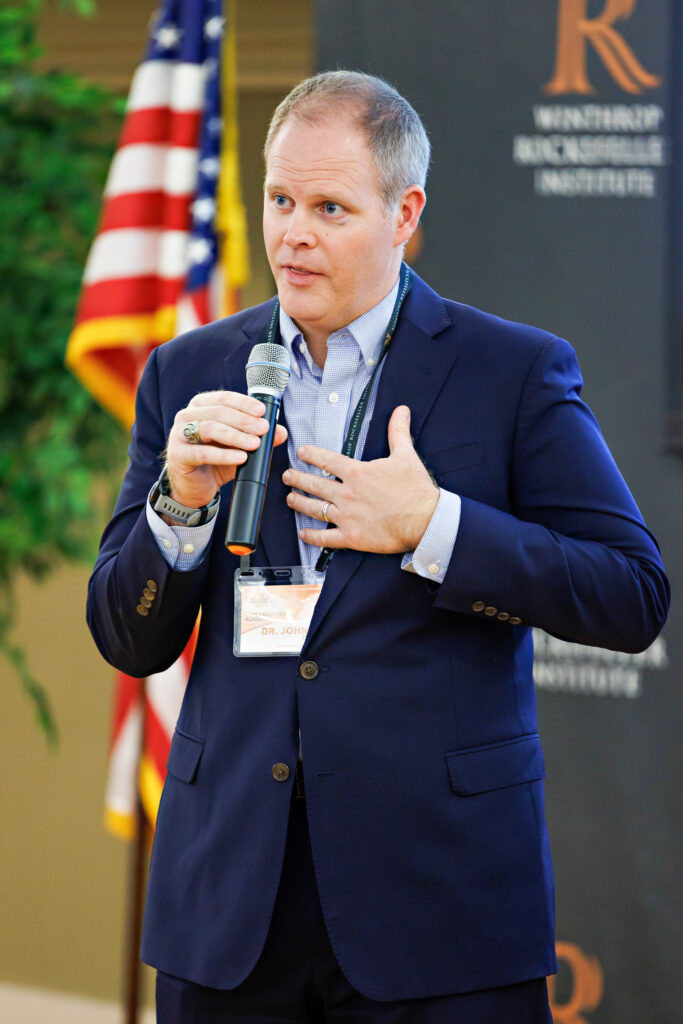
Dr. John Davis, executive director of the David and Barbara Pryor Center for Arkansas Oral and Visual History and political science professor at the University of Arkansas, is very passionate about his involvement with ACCLA and its impact on students across the state.
Davis has deep ties to Arkansas. He earned his bachelor’s and master’s degrees from the University of Arkansas and a Ph.D. from the University of Missouri.
He spent years teaching and serving as director of government relations at UA Monticello before returning to Fayetteville in 2023. His academic focus — American politics, Southern politics, and Arkansas politics — naturally complements his passion for civic engagement.
“An engaged citizenry is essential for our type of government,” Davis explained. “The framers of our Constitution envisioned active participation beyond voting every four years. That’s something I try to instill in my students.”
Why ACCLA Matters
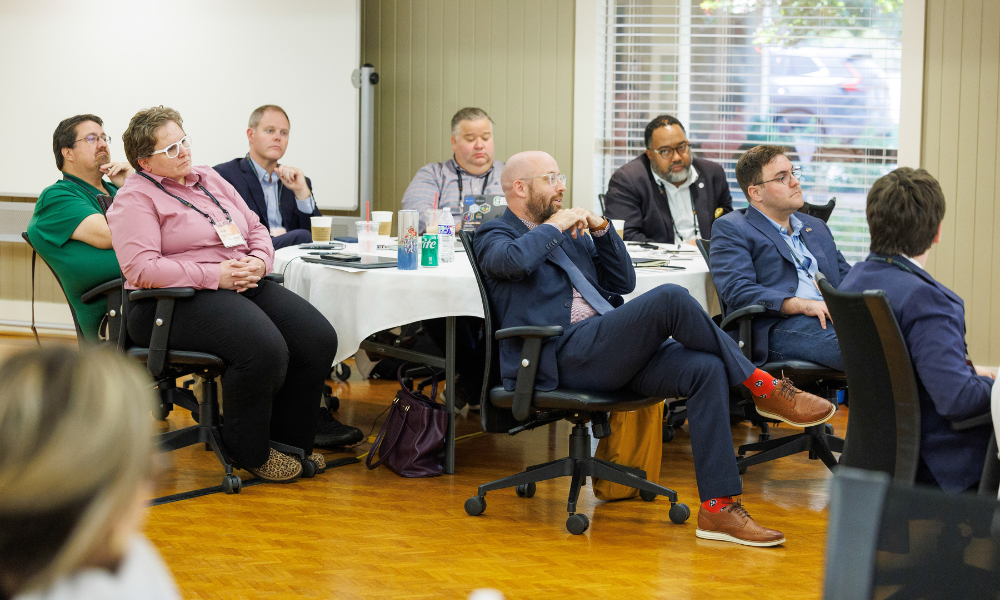
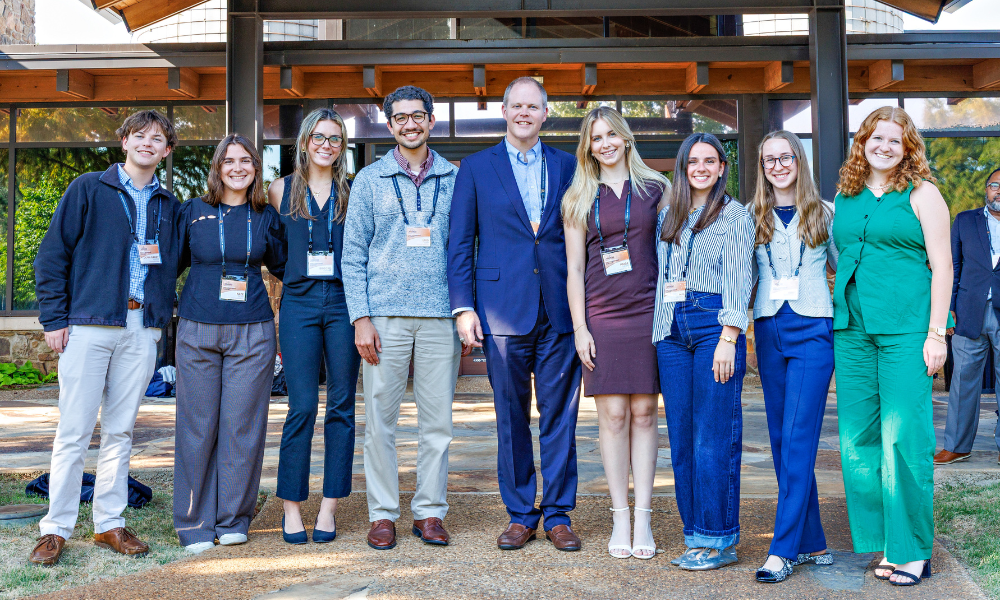
Arkansas faces challenges in civic health, including historically low voter turnout and limited engagement beyond the ballot box. ACCLA aims to change that by equipping college students with the tools to lead in their communities long after graduation.
“Our goal isn’t just to create campus leaders,” Davis said. “We want students to thrive in their communities and inspire others to do the same.”
The program brings together students from 10 different colleges and universities, fostering collaboration and civil discourse in an era where such conversations are increasingly rare. Davis emphasized the importance of viewpoint diversity and networking opportunities that extend beyond campus life.
Working with multiple institutions has been a great experience for Davis. “It’s been amazing,” he shared. “Every school has a point person who serves on our advisory board. These are passionate, community-minded professors who make this possible.”
The University of Arkansas contributed significantly by bringing nine students to the program — the largest cohort — thanks to support from the Diane Blair Center for Southern Politics and Society.
So far, feedback from students has been overwhelmingly positive. “They’re incredibly impressive,” Davis noted. “They want to build a better future and do it in a way that invites all perspectives.”
The Future of ACCLA
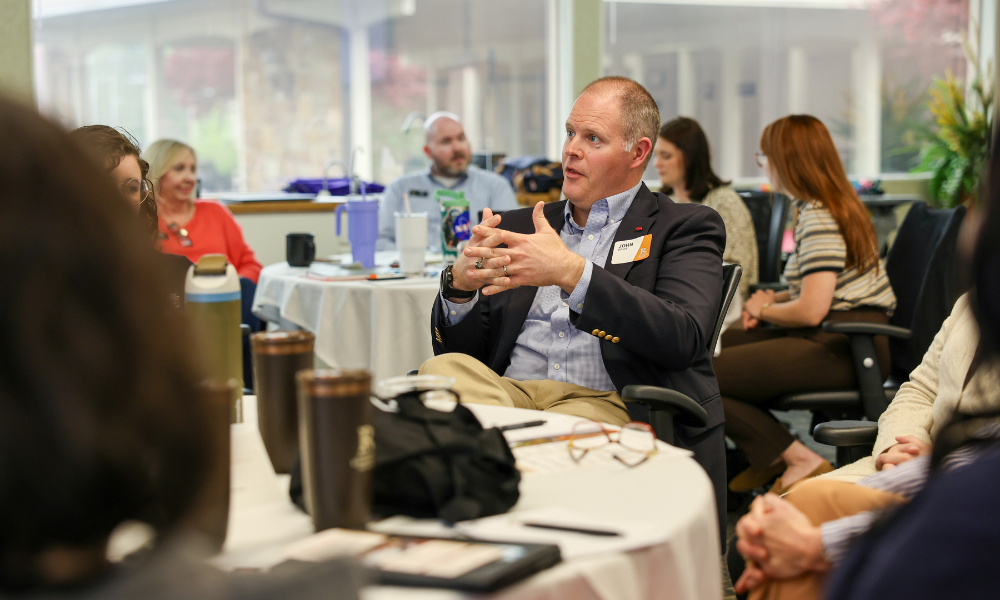
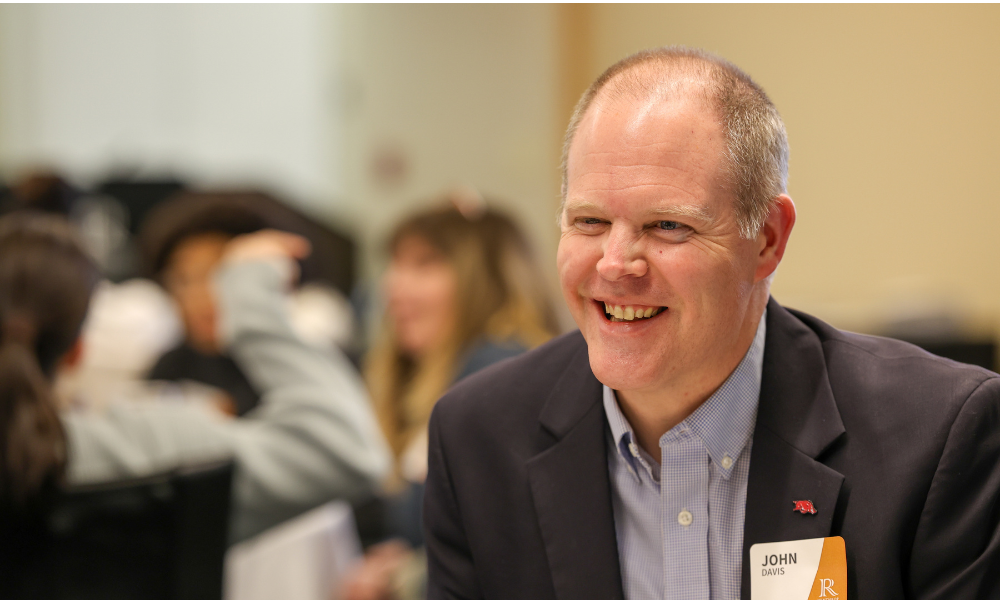
Davis hopes ACCLA will grow into a statewide network of alumni who continue to champion civic engagement. “If we can keep this going, the multiplier effect could be huge,” he said. “Dozens of students each year could become hundreds over time.”
ACCLA is more than a year-long program — it’s an investment in the future of civic life in Arkansas. By equipping students with the knowledge, skills, and networks they need to lead, ACCLA is planting seeds for a more engaged, informed, and collaborative generation.
As Davis emphasized, the ultimate goal is not just to create campus leaders but to empower young Arkansans to return to their communities and inspire others to participate in civic life.
The impact of ACCLA will ripple far beyond the classroom — shaping stronger communities and a healthier democracy for years to come.