The Arkansas Education Policy Initiative aimed to develop statewide policy recommendations and actions that strengthened K–12 educational outcomes and improved Arkansas’s national standing. The recommendations sought to support strong learning environments, promote long‑term economic growth, and benefit students, families, and communities across the state.
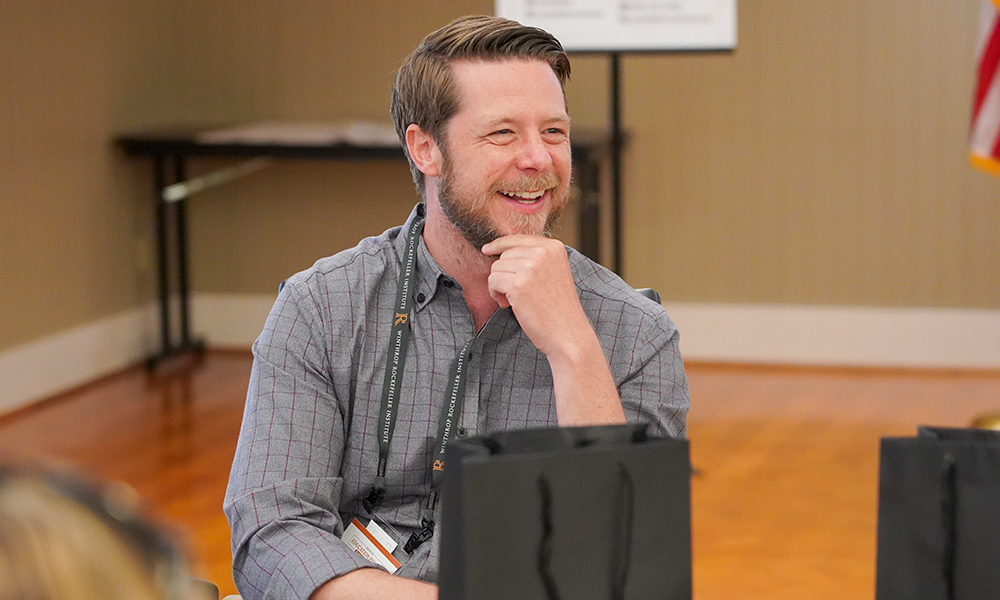
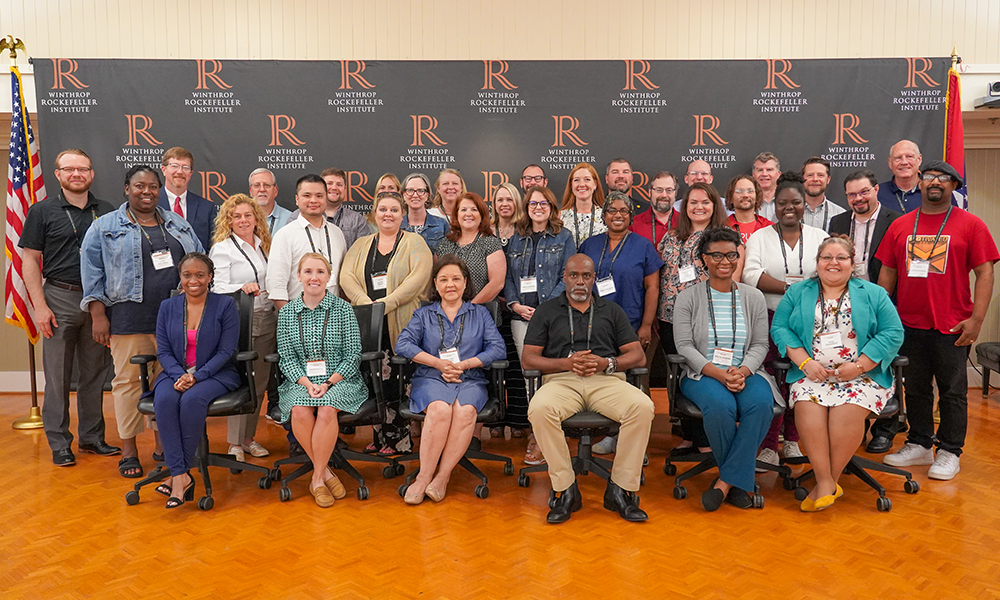
More than 90 partners, including education leaders, K–12 and university administrators, policymakers, educators, advocates, and parents, contributed to the initiative through focus groups, working group meetings, and in‑person summits. Collectively, participants volunteered more than 1,500 hours to review data, examine existing policies, and engage in respectful dialogue to identify collaborative solutions.
The initiative concluded its work in 2024. This effort aligned closely with the Institute’s mission to continue Gov. Winthrop Rockefeller’s collaborative approach to meaningful and transformational change in education policy, an area of deep importance to him.
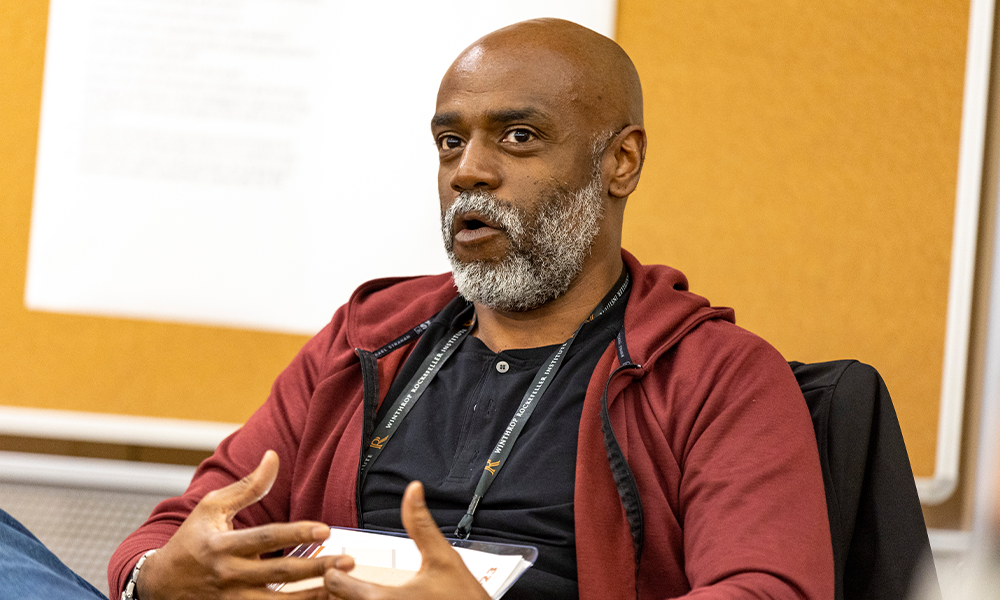
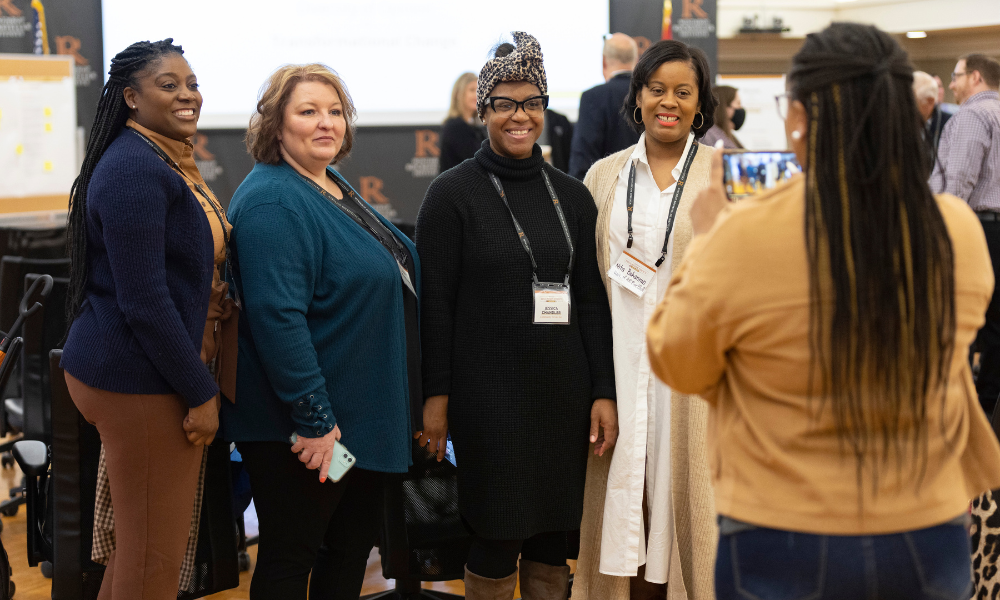


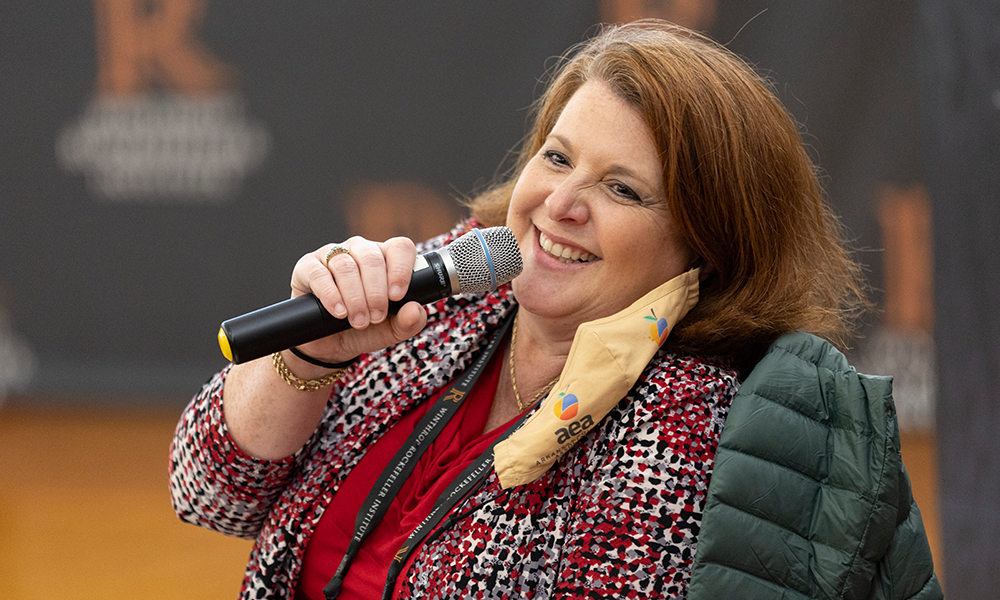
“Never once did I doubt that our top priority had to go to education. Our oldest problems are rooted there, and surely our brightest opportunities for the future are to be found there.” — Winthrop Rockefeller
This work provided the Institute with an opportunity to pursue its mission of continuing Gov. Winthrop Rockefeller’s collaborative approach to creating transformational change in Arkansas education policy — an area in which he demonstrated deep concern.
How the Arkansas Education Policy Initiative Worked
Four working groups met biweekly or monthly throughout the initiative to advance its goals. Each group identified at least one two‑year objective focused on improving education policy and outcomes in Arkansas.
Identify and reduce barriers for educators, focus on educator retention strategies, examine pathways to education licensure, and focus on diversity and inclusion of educators.
Engage community involvement to broaden options for community improvement and education through a thorough examination of existing education resources in Arkansas specified by and curated for education professionals.
Demonstrate that a mastery-based education model can exist in Arkansas with the current policies in place.
The research, data, and public education arm of this program. Conduct meetings and trainings to educate policymakers and stakeholders so they can make informed and perform data-driven education advocacy.



Education in Arkansas: A Primer
Created by the initiative’s Policy in Practice working group, this primer provided an overview of the PK–12 education landscape in Arkansas. It included foundational information on key education topics and served as a resource for educators, families, and policymakers. Members of the working group were available to connect readers with subject‑matter experts for additional insight. deeper learning.
Creating the Arkansas Education Policy Initiative
In 2021, the Institute was approached by potential partners interested in launching a collaborative effort involving a broad range of participants, including:
- Education leaders
- K-12 and university administrators
- Educators
- Policy makers
- Advocates
- Parents
To initiate this work, the Institute hosted a topic dinner in November 2021 with 13 education and state leaders. This was followed by nine virtual focus groups and the first in‑person collaborative session on February 22–23, 2022.
The group believed that, through collaboration, they could identify education policies with the potential to strengthen Arkansas’s K–12 system and better meet the needs of students and families. Many of the initiative’s recommendations were positioned for consideration at the state legislature or the Arkansas Department of Education.
Contact Person